culture
Philadelphia Museums Empower Communities, Reshape How Exhibitions Get Curated
Local institutions are moving beyond traditional curatorial models to place neighborhood voices at the center of the exhibition experience.
How we reported this
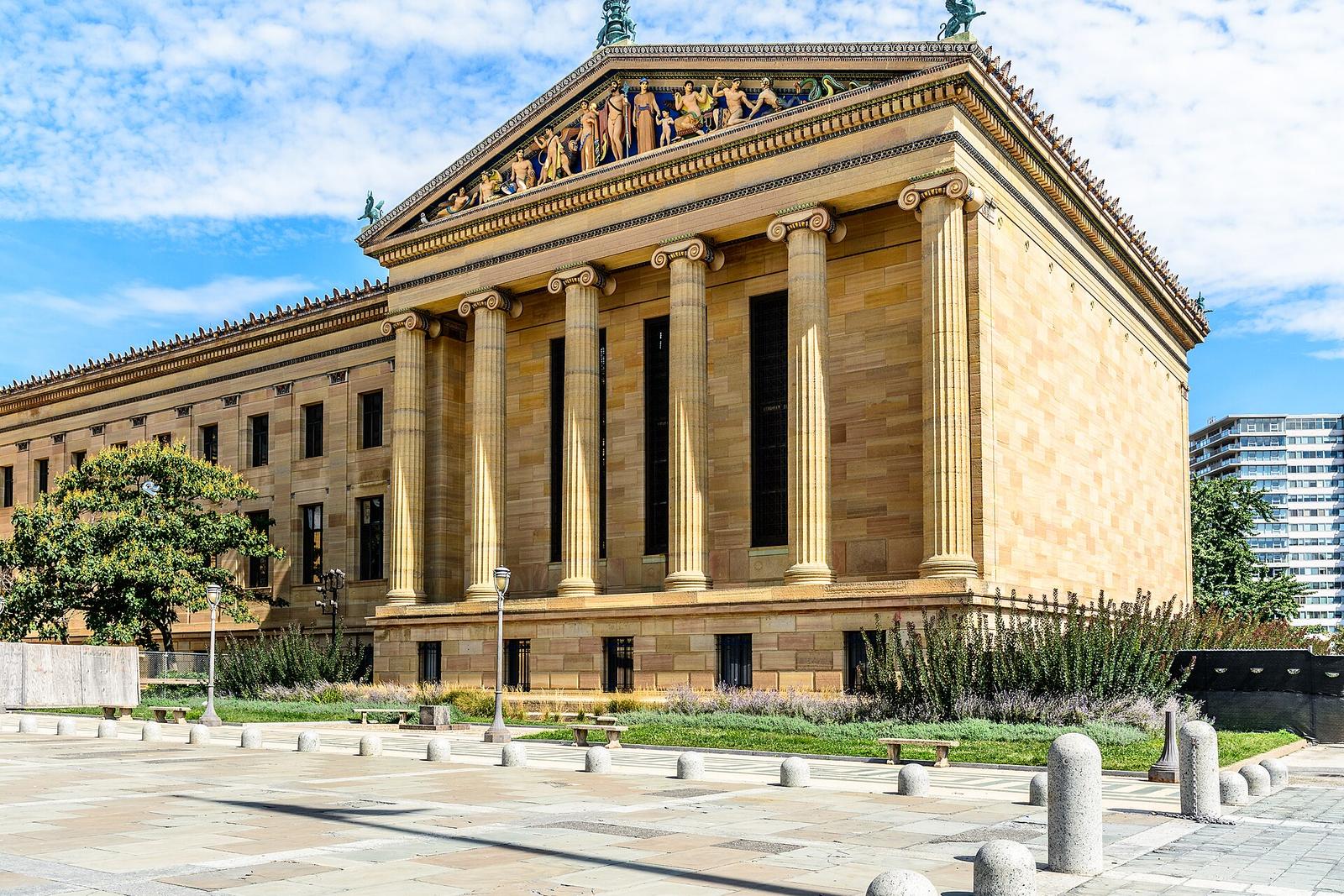
Philadelphia’s arts scene is undergoing a fundamental transformation, shifting away from static, inward-looking curation toward a model rooted in collaborative neighborhood engagement. Across the city, from the grand halls of the Benjamin Franklin Parkway to the repurposed industrial spaces in Kensington, galleries and museums are handing the microphone to the communities they serve.
This shift matters because the role of the cultural institution in a city like Philadelphia has moved past the traditional preservation of historical artifacts. The current movement prioritizes accessibility and diverse representation, viewing museums as active participants in local social discourse. By integrating local histories directly into exhibition design, these spaces are working to dismantle the barriers that have historically separated institutional art from the daily life of city residents.
Community-Led Curation and Local Landmarks
At the Philadelphia Museum of Art, recent programming reflects an emphasis on local artistic contributions, often highlighting the narratives of neighborhoods such as West Philadelphia and North Philadelphia. The institution has focused on expanding the breadth of its contemporary collections to mirror the demographic shifts and the creative energy found within the city’s dense urban grid. This approach is mirrored at the Institute of Contemporary Art, located on the campus of the University of Pennsylvania, which consistently emphasizes collaborative projects that link regional artists with global exhibition standards.
The shift is also visible in smaller, independent galleries that prioritize grassroots participation. Organizations like Fleisher Art Memorial, which has served the South Philadelphia community for decades, continue to anchor this movement by offering low-cost instruction and exhibition opportunities that reflect the specific cultural identity of the surrounding area. These spaces rely on an active membership base that drives the programming, ensuring that the art on the walls resonates with the lived experience of local audiences.
The Data Behind the Accessibility Pivot
Institutional reports indicate that engagement with these programs has risen as museums adopt more inclusive outreach strategies. For example, according to data from the City of Philadelphia’s Office of Arts, Culture and the Creative Economy, there has been a steady increase in public participation for programs that offer pay-what-you-wish admission or community-based workshops. While traditional gatekeeping often relied on high-priced ticket models, these shifts in fiscal policy have lowered the barrier to entry, allowing for a more diverse cross-section of the population to interact with institutional resources.
For those looking to engage with this evolving landscape, the best approach is to monitor the seasonal programming schedules of local arts nonprofits. Many institutions are now publishing digital exhibition previews that explicitly outline the community partnerships informing their upcoming displays. Residents interested in participating should consult the websites of the Philadelphia Cultural Fund or the specific visitor portals for major galleries to identify upcoming workshops where public input is integrated into the planning of new, community-centered exhibits.