culture
How to make the Philadelphia Museum of Art feel less overwhelming
A focused visit to the Parkway museum can be more rewarding than trying to see every gallery in one trip.
How we reported this
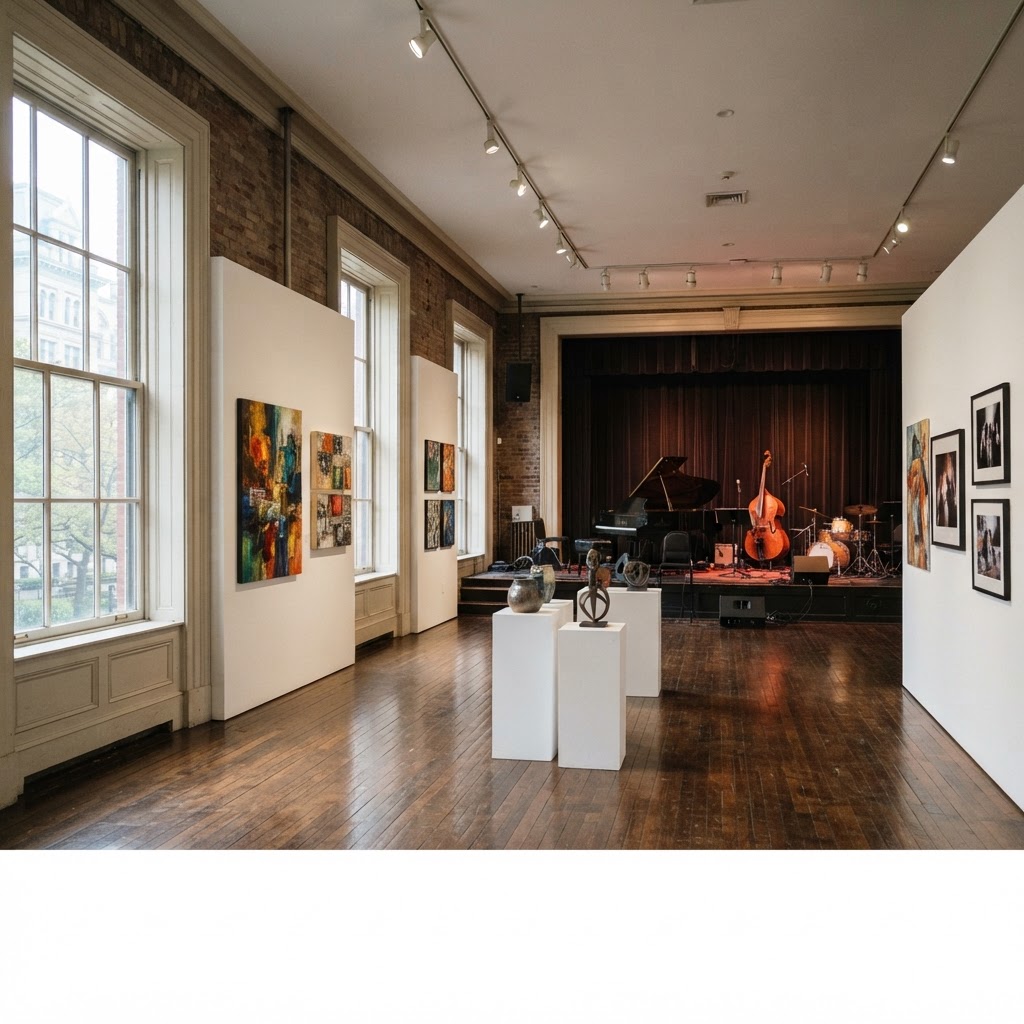
The Philadelphia Museum of Art is large enough to reward repeat visits, which means a first visit does not need to become an endurance test. The museum’s official site is the best place to check current exhibitions, events, campus information and visitor details before leaving home. Once inside, a simple plan can make the building feel more approachable: choose a theme, a floor or a small group of works, then let the rest wait for another day.
One approach is to begin with a work or collection that already interests you. Another is to choose a medium you rarely make time for and follow your curiosity from room to room. The goal is not to collect proof that every gallery was covered. It is to spend enough time with a few works to notice materials, scale, color and the choices that survive from an artist’s studio to a museum wall.
The museum is also part of a larger Parkway experience. Visitors can pair the galleries with a walk, a meal or a pause outdoors, which creates breathing room between periods of looking. That break matters. Art museums ask for sustained attention, and attention is easier to give when the day includes movement and conversation rather than a nonstop sequence of rooms.
For families, a shorter route with a clear finish can work better than an open-ended promise to see everything. For adults, a return visit built around one exhibition or one artist can feel fresh even if the exterior and grand stairways are familiar. Check the official calendar for the current program, allow time for security and entry procedures, and treat the museum as a place to revisit rather than a one-time assignment.
Keep the official page bookmarked while planning, because it is the place to confirm practical details before leaving home. A current check is more useful than relying on an old itinerary, especially for access, schedules, programs, route conditions or temporary changes. That habit also keeps the outing honest: the goal is to describe what a visitor can reasonably do now, not to promise an experience that depends on outdated information.
For a local audience, the value is in the repeatable details: a route that can be adjusted, a venue that welcomes different kinds of visitors and a public place that remains part of everyday Philadelphia. Bring a phone for current information, but leave enough attention for the surroundings. The city is not merely a backdrop for the activity; its streets, transit, architecture and neighbors shape the experience.