lifestyle
Philadelphia Restaurants Fight 102-Degree Heat Wave This July Fourth
With July Fourth fireworks scrapped and thermometers hitting 102 degrees, Philadelphia’s hospitality scene is pivoting to survive a record-breaking holiday.
How we reported this
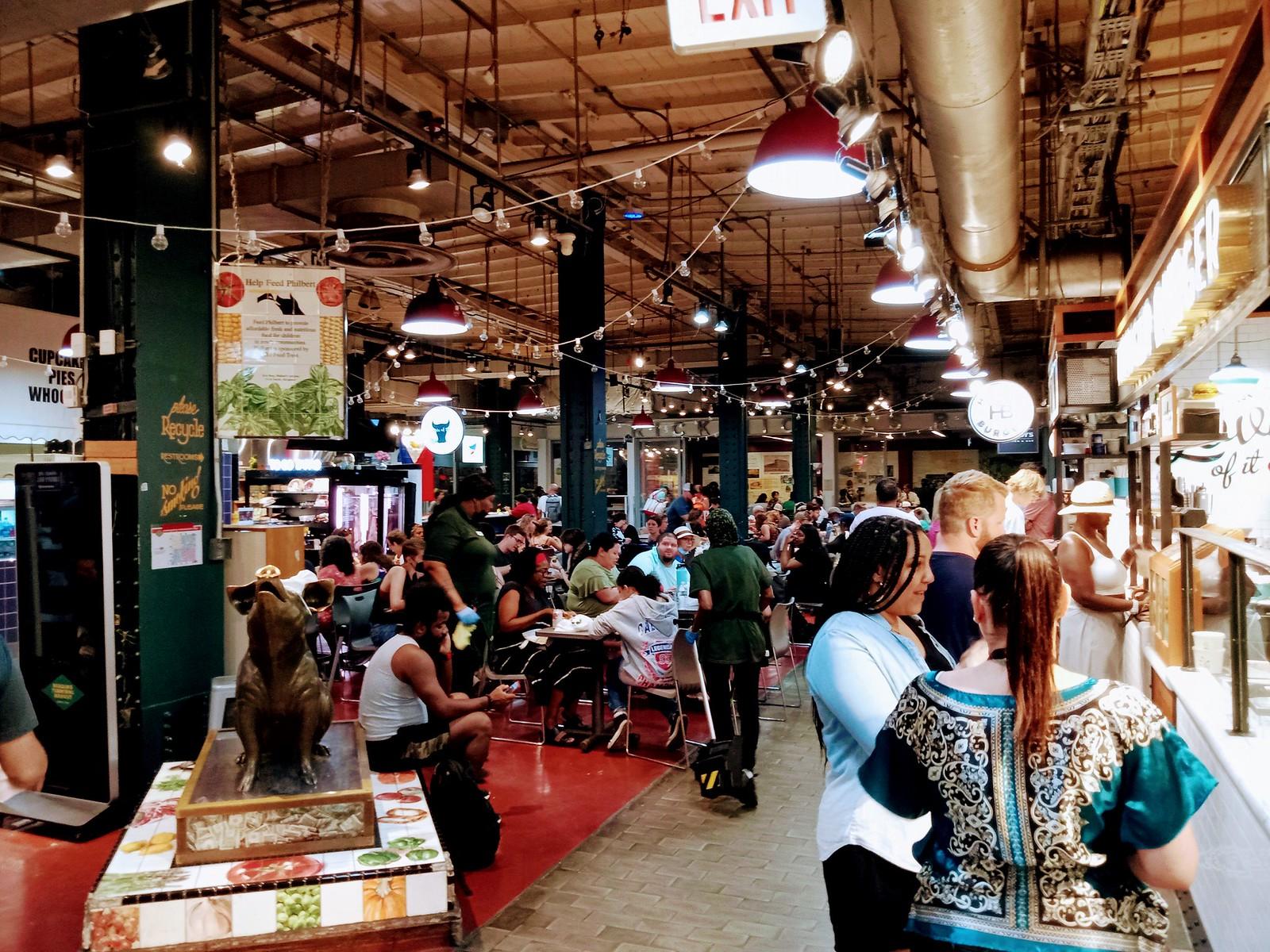
The fireworks over the Delaware River were canceled by 9 a.m. today, but the kitchen burners at Zahav and Kalaya remain lit as Philadelphia navigates a lethal heat index. For a city that usually marks Independence Day with crowded beer gardens and block parties, today is defined by aggressive air conditioning and surging delivery premiums. With the National Weather Service extending the excessive heat warning through Saturday, the local restaurant industry is shifting from festival-mode to survival-mode.
The Economics of Staying Cool
Operating a restaurant in Philadelphia during a heatwave of this intensity is an expensive gamble. At Friday Saturday Sunday in Rittenhouse, staff are managing triple-digit outdoor temperatures while the kitchen HVAC systems run at maximum load, driving electricity costs up by an estimated 22 percent compared to a typical July holiday. For the consumer, this translates into premium pricing for reservations that offer the guaranteed sanctuary of a climate-controlled dining room. Meanwhile, popular outdoor venues like Morgan’s Pier have shuttered their decks entirely, forcing a sudden shift in capacity toward already-cramped indoor establishments.
Data from the Pennsylvania Restaurant & Lodging Association suggests that holiday revenue in Center City typically spikes by 30 percent during the July 4th weekend, but early indicators show a sharp decline in foot traffic this year. The financial strain is compounded by third-party delivery apps like UberEats, which have tacked on "extreme weather" surcharges to incentivize drivers to operate in the 102-degree heat. A standard delivery order from a Fishtown staple that might have cost $45 last week is now hovering near $62 after fees, taxes, and mandatory hazardous-weather premiums.
How to Secure a Seat
Getting a table today requires more than just an OpenTable login. If you are venturing out, focus on venues with high-capacity industrial cooling systems and established indoor seating. Places like Vernick Food & Drink on Walnut Street have maintained a steady stream of reservations, primarily because their climate control infrastructure is designed for high-density dining. Avoid the temptation to walk into smaller BYOB spots in Passyunk Square; many are choosing to close early to avoid the liability of indoor heat exhaustion for their staff.
Before you leave your apartment, check the restaurant’s social media feeds for live updates on power stability. Several blocks in South Philadelphia experienced localized brownouts yesterday afternoon, disrupting service at multiple storefronts along 9th Street. If you aren't feeling the heat, your best bet is a late-night reservation after 9 p.m., when the radiant heat from the pavement begins to subside. Expect to pay a premium for convenience tonight, and keep in mind that many workers are opting out of their shifts entirely due to the health risks, leading to slower service across the board.