lifestyle
Philadelphia's Old City and Fishtown Transform With Waterfront Revival, New Arts Spaces
From waterfront revitalization to the return of independent arts spaces, here is how Philly’s historic corridors and industrial hubs are shifting to capture a new rhythm.
How we reported this
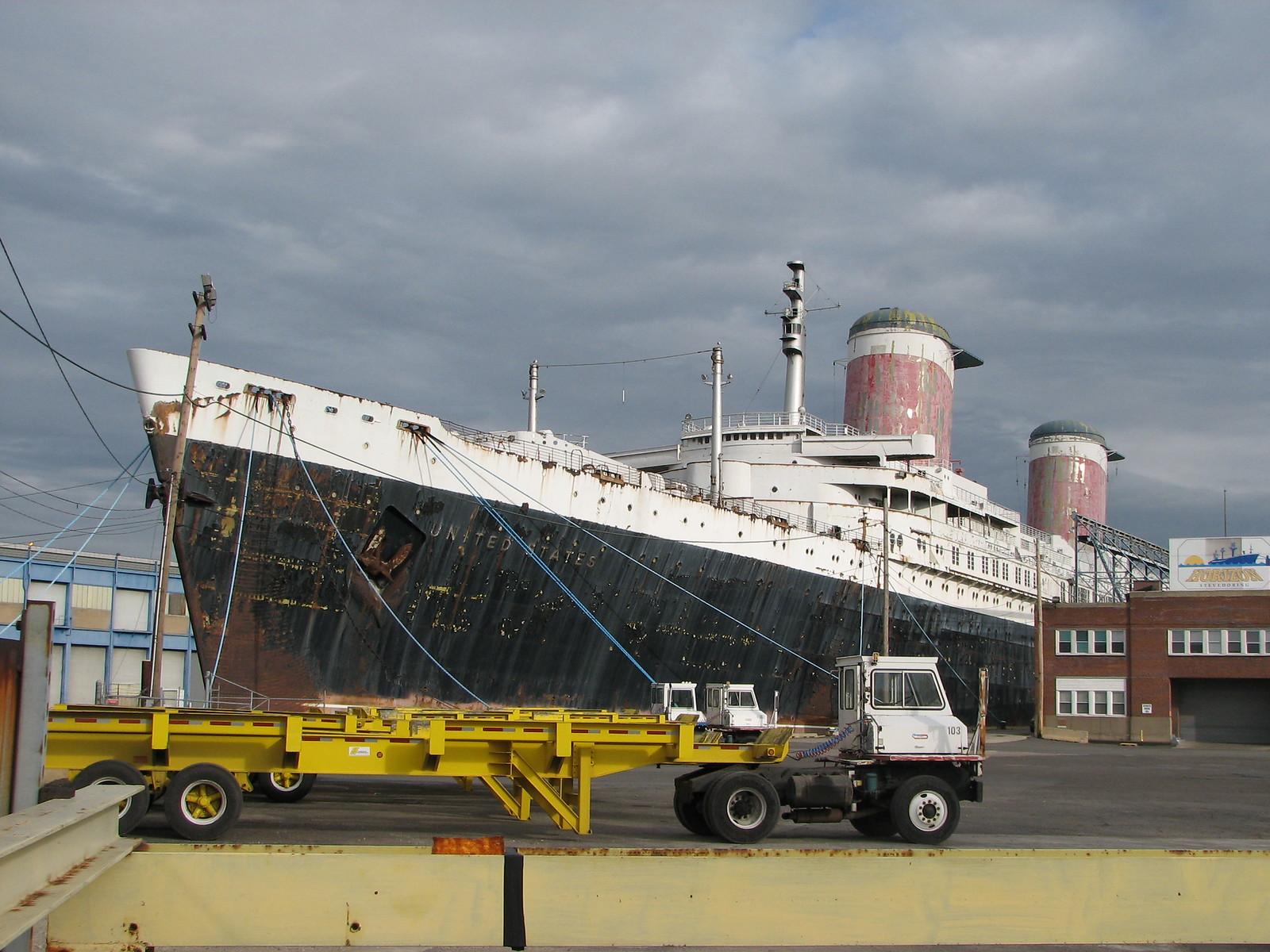
Philadelphia’s urban footprint is currently undergoing a marked transition as long-standing neighborhoods leverage new public infrastructure and shifts in local commerce to reshape their identities. While Old City remains grounded in its colonial roots, the district has increasingly pivoted toward supporting a dense network of contemporary galleries and small-batch retailers that differentiate it from the traditional tourist-heavy path of Independence Hall. Simultaneously, Fishtown continues to serve as the city’s primary example of industrial adaptation, where former manufacturing sites are now the backbone of a robust hospitality and live music circuit.
The current momentum in these areas is largely driven by a renewed focus on pedestrian-friendly access and the repurposing of underutilized municipal space. In Fishtown, the area surrounding Frankford Avenue has seen an expansion of outdoor dining and public plazas that bridge the gap between the neighborhood’s working-class history and its modern culinary reputation. Meanwhile, Old City residents are witnessing the benefits of ongoing investments in streetscape improvements near the Delaware River Waterfront, an area managed by the Delaware River Waterfront Corporation that has fundamentally altered how locals interact with the city’s eastern edge.
A Shifting Landscape for Locals
Residents are increasingly gravitating toward venues that prioritize community-led programming. The FringeArts building near Penn’s Landing has become a focal point for this shift, moving beyond its roots as a performing arts hub to host year-round gatherings that integrate local artists with the surrounding residential community. Further north, the presence of institutions like the Johnny Brenda’s music venue continues to anchor the nightlife scene, though the surrounding blocks now feature a more diverse range of independent bookstores and coffee roasters than they did even a few years ago.
Market activity reflects this sustained interest. Data from the Office of Property Assessment shows that residential development remains steady across the city, particularly in zip codes like 19125, where the demand for adaptive reuse of historic properties has remained strong despite broader economic headwinds. For those planning to explore these areas, the best approach is to focus on the quieter midweek hours when the congestion from larger events dissipates, allowing for a more deliberate look at the architectural evolution of streets like North Second Street and the revitalized corridor of East Girard Avenue.
As summer temperatures peak, visitors should monitor official announcements from the Philadelphia Parks & Recreation department regarding potential adjustments to hours for public waterfront spaces. Exploring these neighborhoods now offers a unique vantage point on how Philadelphia balances the preservation of its historic character with the necessity of modern, neighborhood-scale development.