news
Philadelphia Fights to Rescue Thousands of Corrupted Historical Images From Digital Archive
Officials and urban planning specialists are raising alarms about thousands of duplicate and corrupted images cluttering the city's public records systems, and demanding action before more history is lost.
How we reported this
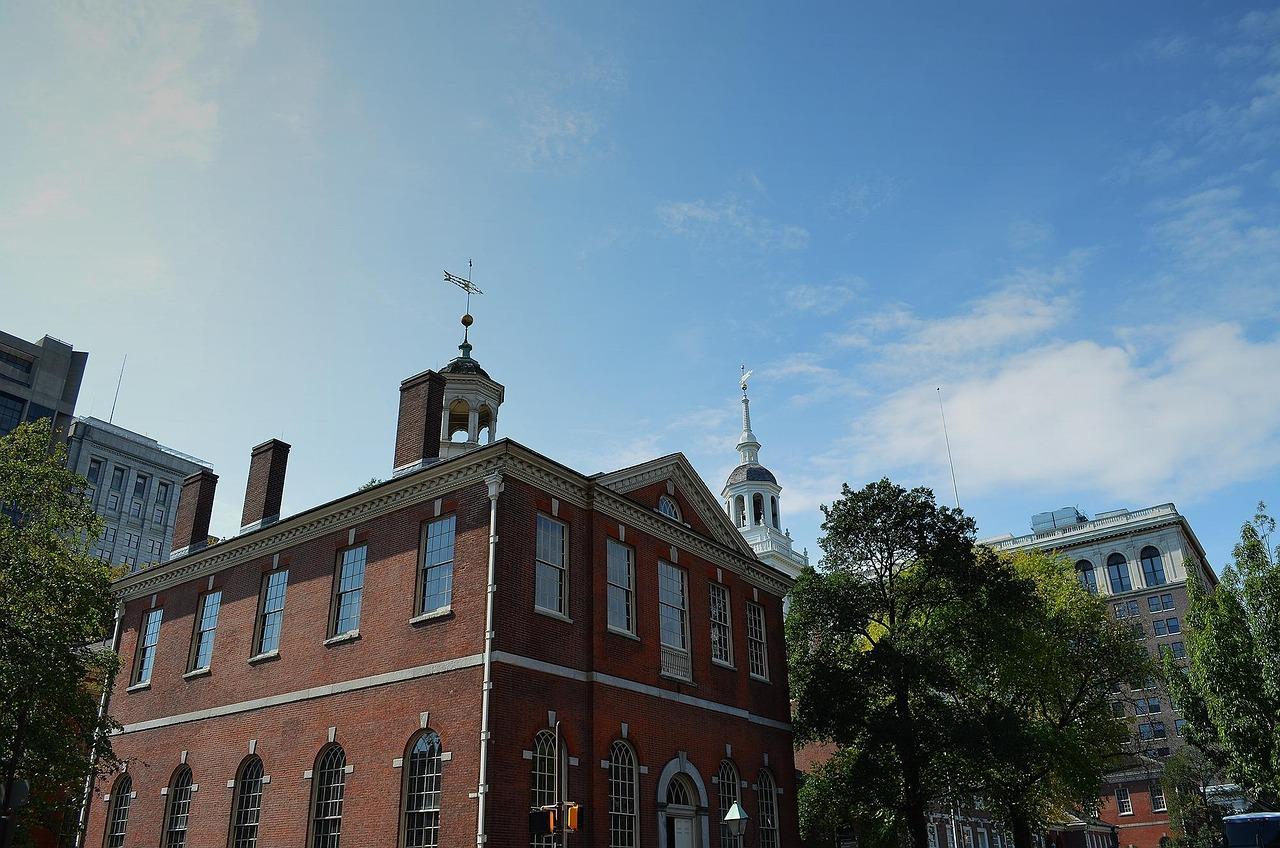
Philadelphia's Office of Innovation and Technology is facing mounting pressure to overhaul how the city stores and manages digital images across its public-facing databases, after a review found that duplicate and degraded photographs have been quietly undermining records integrity from the Department of Licenses and Inspections to the Philadelphia Historical Commission's online archives.
The problem is not new, but it has grown harder to ignore. The city has been digitizing paper records and legacy photographs since at least 2019 as part of its broader SmartCityPHL initiative, and officials say the volume of image files in municipal systems has roughly tripled over the past five years. With that growth has come disorder, redundant files, mismatched metadata, and in some cases placeholder or broken image links visible to residents searching property records on the city's Atlas mapping portal.
What Officials and Experts Are Saying
Urban records specialists have been vocal on the issue for months. Archivists at Temple University's Special Collections Research Center in North Philadelphia, which maintains extensive holdings on the city's built environment, have noted publicly that fragmented municipal digital infrastructure creates downstream problems for researchers, journalists, and residents alike. When source files are duplicated without consistent naming conventions, the authoritative version of a record becomes difficult to establish, a problem that multiplies when images are tied to property histories in disputed neighborhoods like Kensington or areas undergoing rapid change along the East Passyunk Avenue corridor.
At City Hall, the conversation has begun reaching the level of departmental policy. The Philadelphia City Planning Commission has been coordinating with the Office of Innovation and Technology on a broader data hygiene review that includes image asset management, according to public meeting agendas from May and June 2026. Planning commissioners have flagged that duplicate imagery in the city's zoning and land-use databases can cause confusion during variance hearings, when inspectors or legal staff pull records that may display outdated or mismatched photographs of a property.
Digital preservation advocates at the Free Library of Philadelphia, which runs the Philadelphia Digital Library program from its Parkway Central branch on Vine Street, have also entered the conversation. Librarians there have pointed to best-practice frameworks from institutions like the Library of Congress, which recommends unique persistent identifiers for every digital asset, as a model the city could adopt without prohibitive cost. Industry estimates for municipal image deduplication software licenses typically run between $15,000 and $80,000 annually depending on database size, according to procurement data from comparable projects in cities like Baltimore and Newark completed between 2023 and 2025.
The Stakes for Neighborhoods and Public Access
The consequences are not merely technical. In neighborhoods like Germantown and Fishtown, where property ownership disputes and historic designation battles are common, residents and their attorneys routinely pull city image records as evidence. A duplicated or corrupted photograph attached to the wrong parcel, or a missing image where one should exist, can complicate or delay those proceedings.
The Philadelphia Historical Commission, which oversees the designation of historic structures and reviews demolition permits, maintains a database of building photographs that dates back decades. Staff there have described the duplicate-image problem in public commission meetings as a workflow burden, requiring manual review before images can be used in formal reports.
Technology consultants who have worked with Pennsylvania state agencies say the fix is achievable but requires political will and a dedicated project timeline. A phased approach, starting with high-traffic databases like Atlas and L&I records, then moving to archival collections, could take 18 to 24 months to complete if funded in the FY2027 budget cycle, which the City Council is expected to revisit in the fall.
For now, residents searching city records online should be aware that images attached to property listings may not always reflect current conditions or may be redundant copies from earlier data migrations. The city's 311 service line can field requests to flag specific record errors, and the Office of Innovation and Technology has a public-facing feedback portal linked from the PhilaDelia.gov homepage. If officials follow through on the planned data review, the first tangible changes to public-facing records could appear by the second quarter of 2027.