news
Philadelphia Residents Demand Action on Corrupted Historical Photo Archives
Across Philly's neighborhoods, families and community groups say irreplaceable images are being swapped out or corrupted in digital archives, and nobody is taking responsibility.
How we reported this
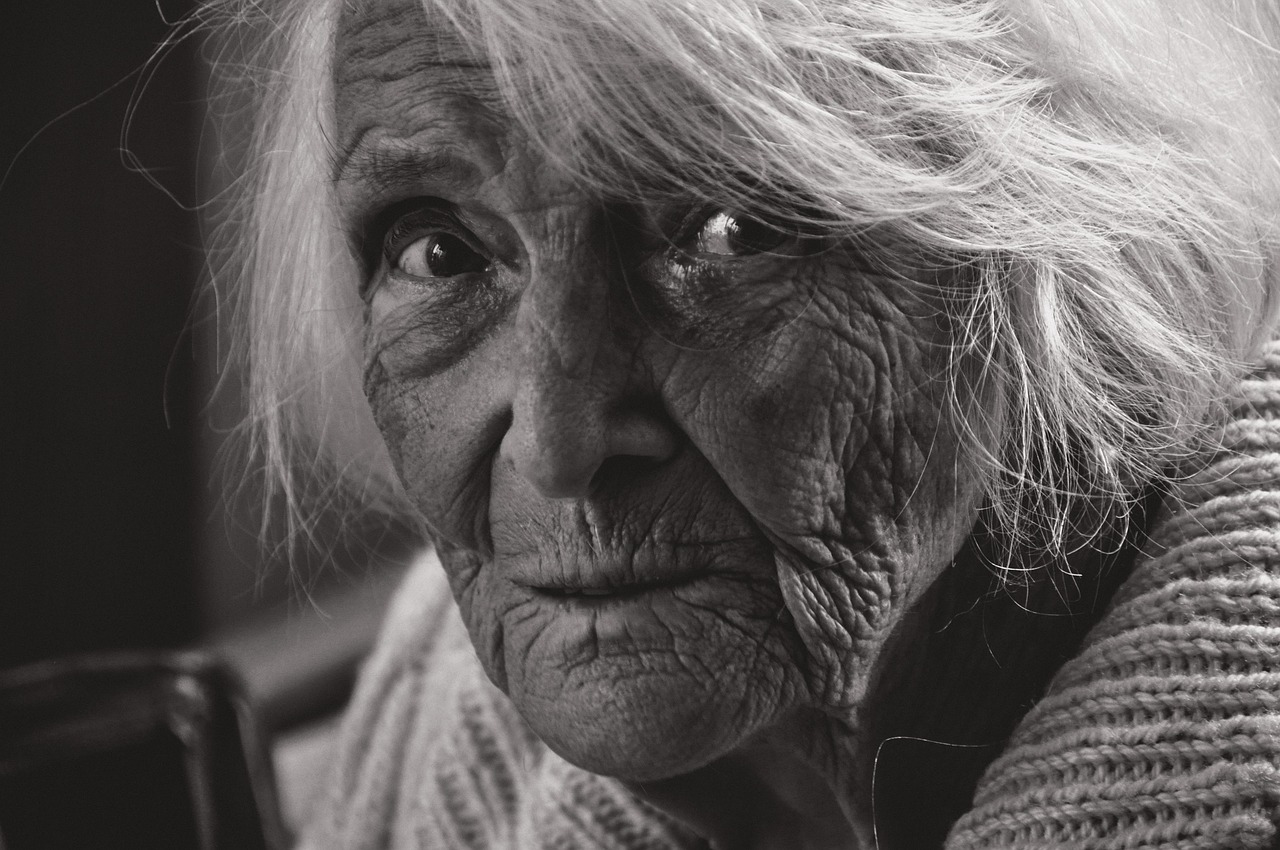
The Fourth of July is supposed to be about memory. But for dozens of Philadelphia residents who have been fighting city agencies and nonprofit archivists over what they call a wave of duplicate-image replacements in public digital records, the holiday carries a sharper edge this year. Their complaint is specific: photographs of families, storefronts, murals, and block parties, uploaded to community archives, have been silently overwritten by duplicate or incorrect images, erasing visual records they say cannot be recovered.
The problem has surfaced publicly enough in recent months that the Philadelphia City Archives, which maintains digitized collections stretching back to the 19th century, has received a growing volume of formal complaints from community organizations in North Philadelphia, West Philadelphia, and Kensington. The Philadelphia Mural Arts Program, which maintains its own image database of more than 4,000 documented murals across the city, acknowledged in a spring newsletter that a data migration completed in March 2026 had produced indexing errors that affected an unspecified number of image files.
Neighborhoods Hit Hardest
Germantown has been a focal point. The Germantown Historical Society, based on Vernon Park at the corner of Germantown Avenue and Washington Lane, says it has identified at least 34 photographs from its digitized collection that were replaced with incorrect duplicates after a server upgrade last winter. The images affected include documentation of block-level community organizing from the 1970s and early 1980s, material the society says exists nowhere else in digital form.
In West Philadelphia, community members working with the Mantua neighborhood's oral history project, coordinated out of the Lucien E. Blackwell branch of the Free Library of Philadelphia on Haverford Avenue, say they discovered in May that a batch of photographs submitted by residents had been overwritten. The library system declined to comment on the specifics of individual collections. Community coordinators say they were told the issue stems from how duplicate file names are handled during batch uploads, where a newer file silently replaces an older one with the same name rather than creating a separate entry.
The frustration is not abstract. Residents describe submitting photographs of relatives, of corner stores long since closed, of the block before the highway came through, and finding, weeks later, that the image on the archive portal shows something else entirely. One Germantown community group posted a notice on its mailing list in June asking members to re-examine any photographs they had submitted to digital repositories since January 1, 2026, and to report discrepancies.
What the Evidence Shows, and What Comes Next
Digital preservation specialists point to a known vulnerability in archival systems: when file-naming conventions are not enforced rigorously, batch imports can trigger silent overwrites. The Library of Congress's digital preservation guidelines, updated in 2024, explicitly flag duplicate-filename conflicts as one of the top five causes of unintentional data loss in institutional collections. The problem is not unique to Philadelphia, but the scale of community-submitted material here, the City Archives alone received more than 12,000 donated digital files between 2022 and 2025, according to figures published in its 2025 annual report, makes the exposure significant.
The Philadelphia Digital Equity Coalition, a nonprofit that works across neighborhoods including Strawberry Mansion and South Kensington, has begun hosting monthly drop-in sessions where residents can bring their original files on USB drives and compare them against what appears in public-facing archives. The next session is scheduled for July 18 at the Village of Arts and Humanities on North 15th Street in North Philadelphia.
Community advocates say the practical advice for anyone who has submitted photographs to city or nonprofit digital archives in the past 18 months is straightforward: keep your originals, never submit a file without a unique, date-stamped name, and request a written confirmation of your submission with the file name logged. The Germantown Historical Society is also offering free consultations on file-naming best practices every Saturday morning through August.
For some, the damage is already done. The call now is for the city to commit to an audit, and for archivists to stop treating community photographs as a lower priority than institutional records. The pictures, residents say, are the history.