Politics
Philadelphia Voters Decide: Which Ballot Measures Raise Taxes, Boost Services
From property tax adjustments to school funding questions, this guide breaks down what each measure on Philadelphia's ballot would actually change for residents, homeowners and renters.
How we reported this
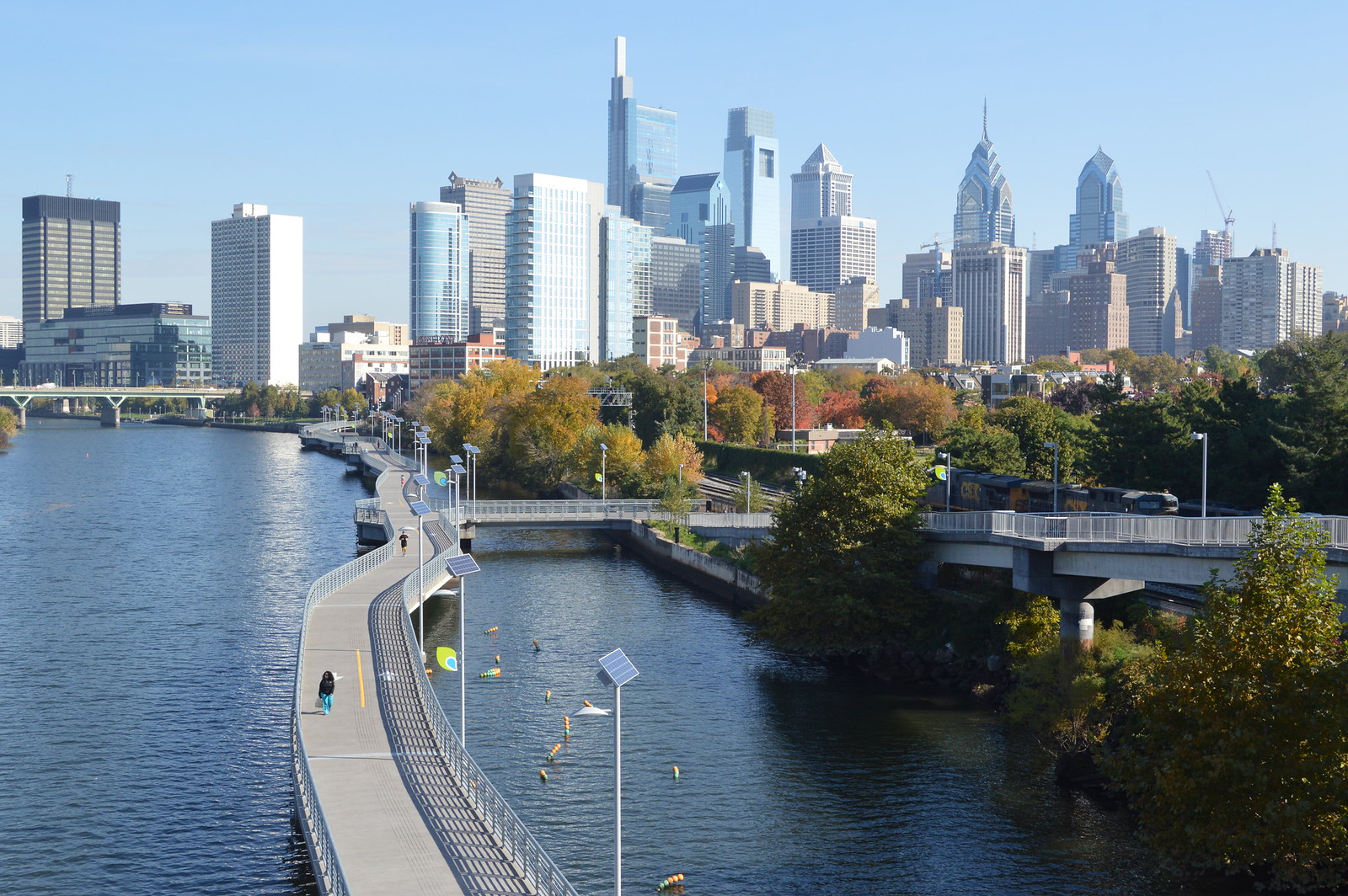
Philadelphia voters will face a slate of ballot questions this November that carry real consequences for city services, school budgets and the cost of owning property in the city. The measures range from proposed amendments to the Home Rule Charter to bond authorizations that would determine how the city finances capital projects over the next decade. For residents trying to cut through the civic noise, the core question on each is simple: what changes in my daily life if this passes?
The timing matters. Philadelphia's city government is operating under a five-year plan that the Philadelphia Office of Budget and Program Evaluation has flagged as carrying structural deficit risk beyond fiscal year 2028. Any ballot measure that authorizes new spending or redirects existing revenue lands against that backdrop. Policy analysts say that context is precisely why charter amendment language, which can be hard to reverse once approved by voters, deserves closer scrutiny than it typically receives in off-year elections.
What the Measures Would Do
One of the most consequential questions before voters concerns the Homestead Exemption, which currently reduces the assessed value of an owner-occupied home by $80,000 for property tax purposes. A proposed amendment would expand eligibility criteria, potentially bringing tens of thousands of additional homeowners inside the exemption's scope. The Philadelphia Revenue Department estimated in its most recent annual report that the existing exemption already reduces taxable assessed value across the city by several billion dollars. Widening the net would reduce city and School District of Philadelphia revenue unless the millage rate is adjusted elsewhere. Renters see no direct benefit from this measure; landlords who do not occupy their properties remain ineligible regardless.
A separate bond authorization question would allow the city to issue up to $500 million in general obligation bonds for infrastructure, including repairs to the city's aging water and sewer network. The Philadelphia Water Department has identified more than 300 miles of water mains that are past their expected service life, according to the department's Capital Program report. If the authorization passes, debt service on those bonds would appear in future city budgets, projected to add roughly $35 million to $45 million annually in fixed costs once fully drawn. The practical upside for residents is fewer water main breaks and reduced boil-water advisories in neighborhoods like Kensington and parts of West Philadelphia where pipe failures have been most frequent.
Who Stands to Gain and Who Bears the Cost
Low-to-moderate income homeowners in North and Northeast Philadelphia stand to benefit most directly from the Homestead Exemption expansion, because the exemption is worth more in proportional terms to someone whose tax bill is already a significant share of household income. For a household paying taxes on a home assessed at $180,000, the current $80,000 exemption cuts their taxable base by roughly 44 percent. An expanded exemption could push that share higher. Community development organizations in those corridors have long argued that property tax stability is one of the few tools left to slow displacement in gentrifying neighborhoods.
The infrastructure bond is a different calculation. Bonds are repaid through the general fund, meaning the cost is spread across all taxpayers over the life of the debt, typically 20 to 30 years. Residents who live in areas with newer infrastructure see their tax dollars servicing debt on repairs in other parts of the city. That is how municipal finance works, but voters should understand the tradeoff. The School District, which draws from the same property tax base, has separately noted in its fiscal year 2026 budget documents that any reduction in city revenue sharing could require the district to revisit staffing levels at schools already operating below state-recommended student-to-counselor ratios.
Voters can review the full text of each ballot question through the Philadelphia City Commissioners office, which is required under Pennsylvania Election Code to post certified question language at least 30 days before the election. The commissioners' office has also scheduled public information sessions at City Hall and branch libraries across the city's 10 council districts through October. The deadline to register to vote in the November election is October 20.