tech
SEPTA Route Planning Unlocks Philadelphia's Museums, Restaurants, Neighborhoods
A little route planning can turn the city’s transit network into a practical tool for museum days, food stops and neighborhood wandering.
How we reported this
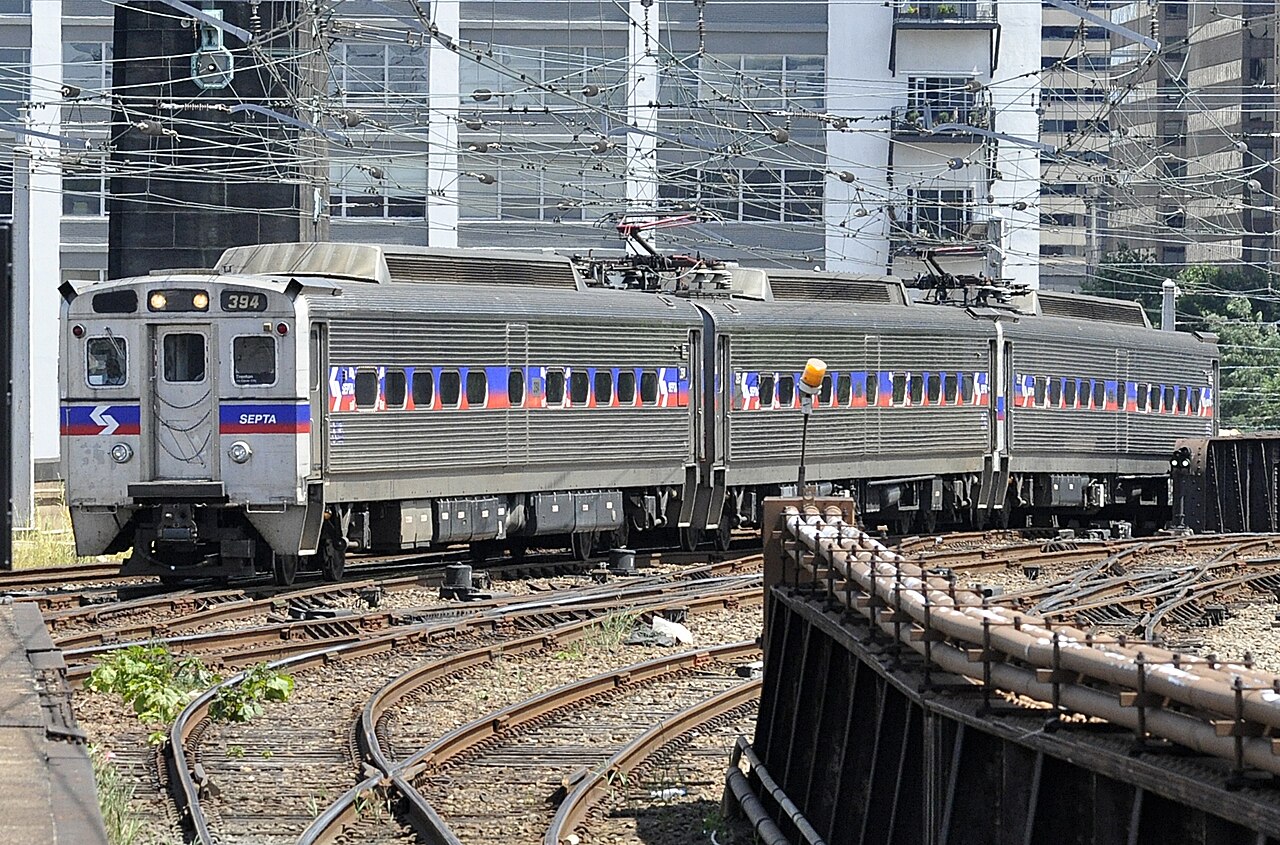
SEPTA’s official website is more than a place to look up a route after plans have gone wrong. It can be the starting point for building a Philadelphia day with fewer assumptions about parking, traffic and how much ground a person can cover on foot. The authority serves Philadelphia and the surrounding counties, and its current trip-planning information helps visitors connect destinations across the city.
Start with the part of the day that matters most, then use SEPTA’s tools to see which route makes the rest possible. A museum visit can connect to lunch in another neighborhood. A park walk can become the first or last stop rather than a separate expedition. Leaving some flexibility in the schedule is helpful because transit conditions, crowds and walking time can change.
Digital planning is most useful when it is paired with simple habits. Check service information shortly before leaving, keep the destination address available and allow extra time for transfers or unfamiliar stations. If a group is traveling together, agree on the next meeting point before boarding. Those small steps reduce the pressure to make every decision while standing on a platform or curb.
Transit also changes the character of a day. Instead of treating Philadelphia as a set of isolated attractions, riders see how commercial corridors, residential blocks, campuses and public spaces connect. That broader view is part of the experience. Use the official SEPTA site for current routes, schedules, fares and alerts, and let the plan remain adaptable enough for an unplanned coffee, bookstore or neighborhood walk.
Keep the official page bookmarked while planning, because it is the place to confirm practical details before leaving home. A current check is more useful than relying on an old itinerary, especially for access, schedules, programs, route conditions or temporary changes. That habit also keeps the outing honest: the goal is to describe what a visitor can reasonably do now, not to promise an experience that depends on outdated information.
For a local audience, the value is in the repeatable details: a route that can be adjusted, a venue that welcomes different kinds of visitors and a public place that remains part of everyday Philadelphia. Bring a phone for current information, but leave enough attention for the surroundings. The city is not merely a backdrop for the activity; its streets, transit, architecture and neighbors shape the experience.