wellness
Philly's Healthiest Tables: The Cafes and Restaurants Nutritionists Actually Recommend
From Fishtown grain bowls to Center City juice bars, dietitians are steering clients toward a new wave of Philadelphia eateries built around whole foods and transparent sourcing.
Listen in English · 4 min
How we reported this
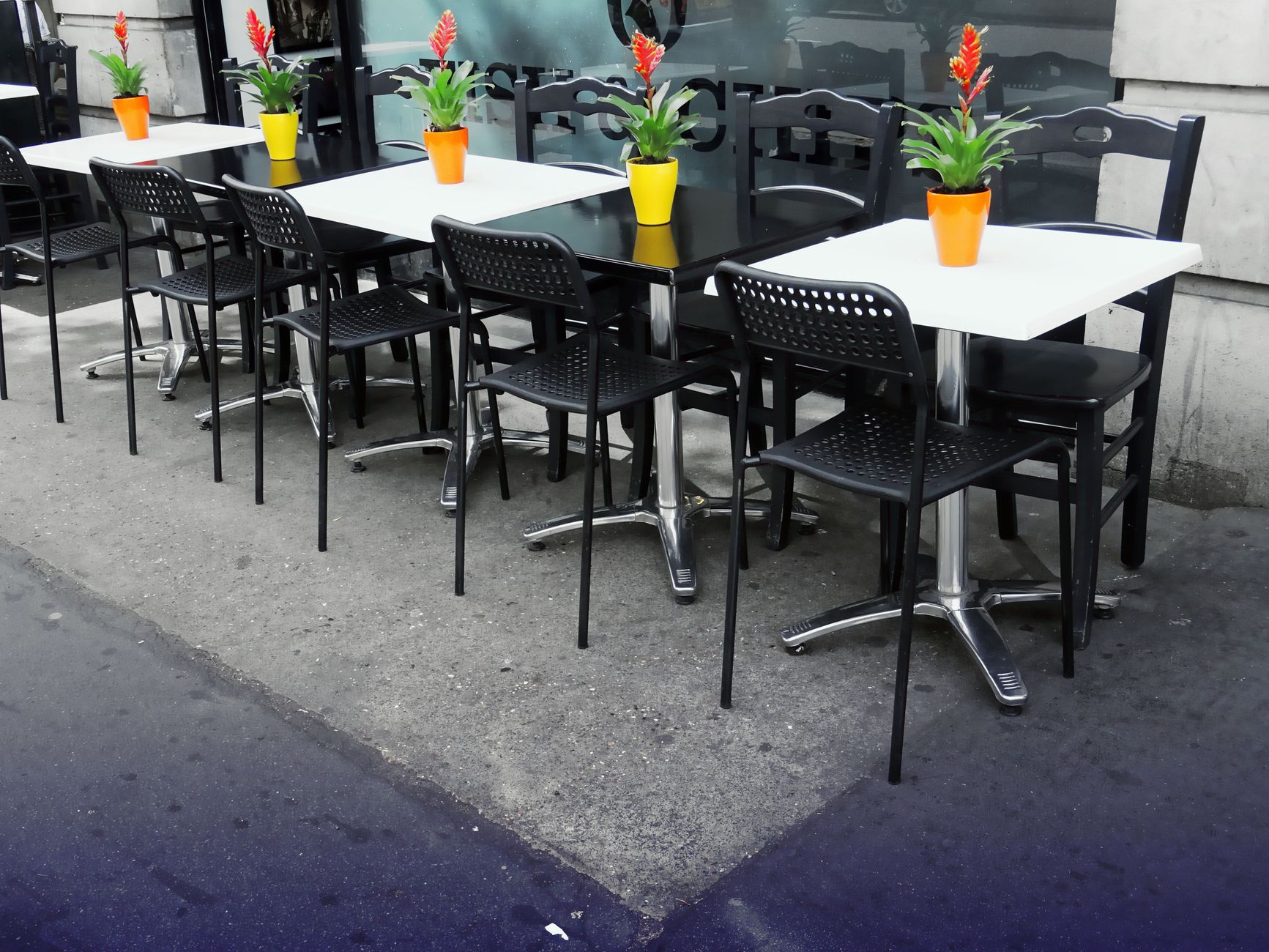
Philadelphia's restaurant scene has quietly shifted. Walk down East Passyunk Avenue on a Tuesday morning and you're as likely to see a chalkboard listing glycemic index scores as you are a daily special. Across the city, a clutch of cafes and restaurants have moved beyond marketing buzzwords and built menus that registered dietitians are comfortable recommending by name to their patients.
The timing reflects something real. Hormonal health, metabolic function, and the relationship between diet and chronic disease have all landed back in the mainstream conversation this summer, fueled partly by renewed public interest in nutrition science and partly by Philadelphians who came out of the pandemic with different priorities about what they put in their bodies. The city's wellness culture, long anchored by the fitness corridors of Rittenhouse Square and the trail communities along the Schuylkill River, now extends deep into how people eat.
The Spots Dietitians Are Telling Clients About
Honeygrow, the Philadelphia-born chain founded here in 2012, keeps appearing on dietitians' shortlists. Its Walnut Street flagship in Center City lets customers build stir-fry and salad bowls with full calorie and macronutrient breakdowns visible before checkout, a transparency that local registered dietitians say makes it workable for clients managing blood sugar or watching sodium intake. Lunch bowls run roughly $13 to $16 depending on protein choice.
Stock and Still, tucked into the Northern Liberties neighborhood on North 2nd Street, draws consistent praise for a menu anchored in bone broth, fermented vegetables, and cold-pressed juices made without added sugar. The kitchen posts supplier names on a board near the counter, specific farms in Lancaster County, specific dairy operations, which matters to practitioners who advise clients with inflammatory conditions. Their 16-ounce beet-and-ginger cold press runs $9.
Ants Pants Cafe in Graduate Hospital has built a loyal following among the neighborhood's running community for its avocado-heavy breakfast menu, eggs sourced from Pennsylvania farms, and a genuine commitment to portion sizes that don't require a calculator to parse. A two-egg breakfast plate with greens holds under 500 calories and costs $14.
Down in South Philadelphia, Vedge, the celebrated plant-based restaurant on Locust Street, has long earned endorsement from dietitians working with clients reducing animal protein. It's not a salad bar: the kitchen produces complex, satisfying dishes using celeriac, rutabaga, and seitan that provide sufficient protein and fiber for active adults.
What the Numbers Say
A 2025 survey by the Philadelphia Department of Public Health found that 34 percent of adult Philadelphians reported eating fewer than one serving of vegetables per day, a figure that hasn't budged meaningfully since 2019. Dietitians working in the city's clinical settings say part of the challenge is that healthy food options still feel inaccessible or unappealing, particularly in neighborhoods north and west of Center City where the restaurant density is thinner. That gap is why practitioners are deliberate about recommending specific places rather than offering generic eat-more-vegetables directives.
The Academy of Nutrition and Dietetics chapter serving the greater Philadelphia region has noted increased demand for dietitian consultations since January 2026, with many clients citing confusion over competing claims around hormones, gut health supplements, and metabolic diets as a primary motivator for seeking professional guidance.
For anyone navigating that confusion, the practical advice is straightforward: before overhauling your diet based on a trend or a menu description, see a registered dietitian. Penn Medicine and Jefferson Health both run outpatient nutrition counseling programs that accept most major insurance plans. From there, the restaurants above give you somewhere specific to go, places where the philosophy behind the menu holds up when a trained professional looks at it, not just when the marketing copy does.