wellness
Philadelphia Dog Parks Transform Into Unexpected Community Fitness Hubs
From Fairmount Park to Passyunk Square, Philadelphia's off-leash spaces have quietly become some of the city's most active social fitness destinations.
How we reported this
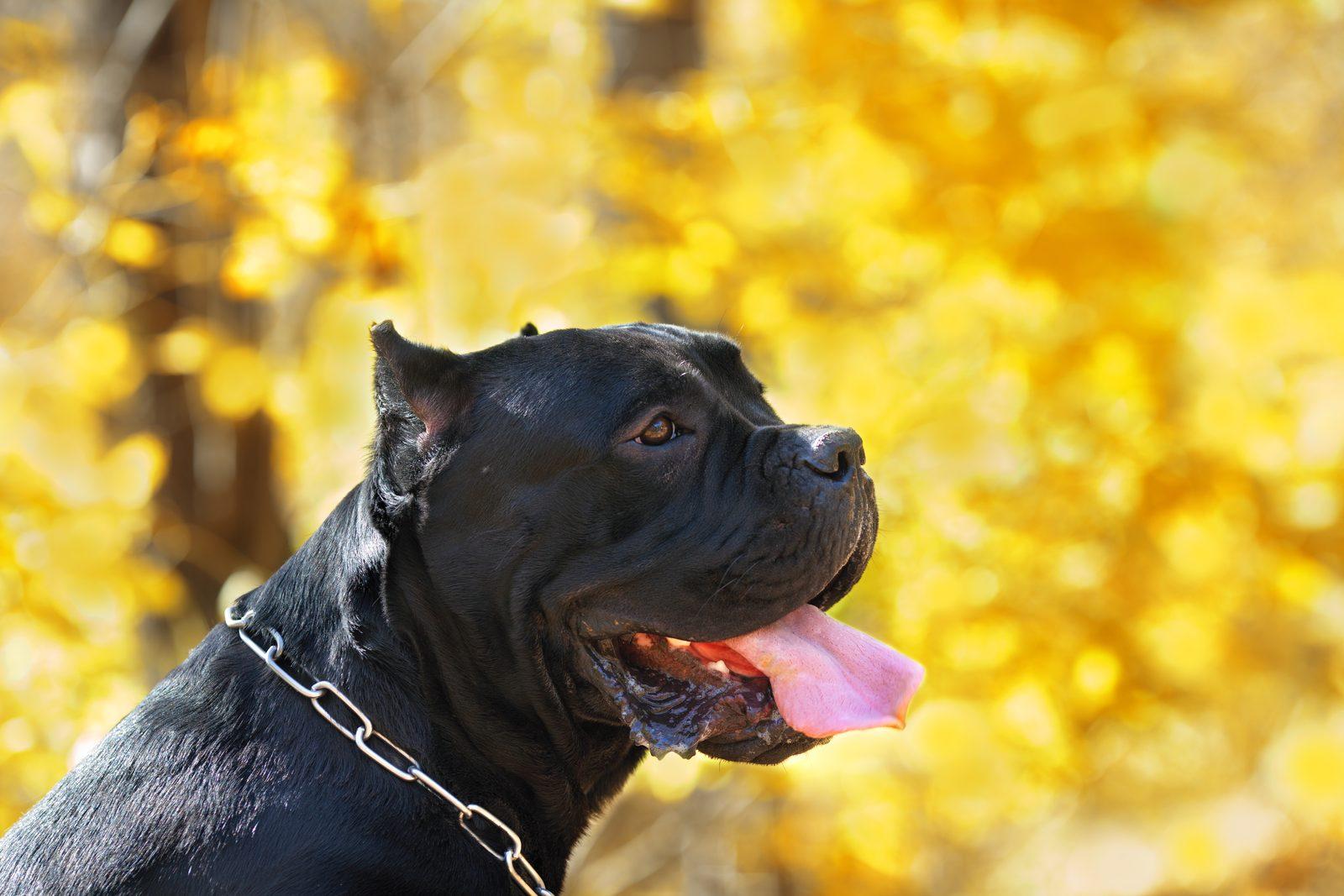
On any given morning before 8 a.m., the off-leash area inside Clark Park in West Philadelphia's Germantown Avenue corridor fills with a predictable crowd: dogs burning energy in wide circles, and their owners doing something unexpected, lunging, stretching, running laps along the perimeter fence, or simply logging two to three miles of walking without ever thinking of it as exercise. This is what fitness looks like in 2026 for a growing slice of Philadelphians.
The timing matters. The city's Parks & Recreation department logged a 22 percent increase in permitted off-leash dog areas between 2022 and 2025, bringing the total to 14 designated spaces across the city's roughly 10,000 acres of parkland. Simultaneously, gym membership costs have crept upward, a standard monthly membership at fitness chains in Center City now runs between $45 and $75, pushing cost-conscious residents toward free outdoor alternatives. Dogs, it turns out, are the most reliable personal trainers most people will ever own.
Where the Community Gathers
Two spots have emerged as the clearest examples of the dog park-as-fitness-hub phenomenon. Orianna Hill Dog Park in Northern Liberties, a compact half-acre at 3rd and Poplar Streets, draws a remarkably consistent morning crowd that has organically developed what regulars call a "walk-and-talk" loop, a 1.2-mile route through the surrounding neighborhood that dog owners cover two or three times per visit. The park's location between the Delaware River Trail and the Piazza at Schmidt's makes it a natural waypoint for longer urban fitness routes.
Further southwest, the Schuylkill River Dog Park adjacent to the Schuylkill River Trail near Locust Street has become something closer to an outdoor wellness campus. Owners arrive with resistance bands and use the park's fence posts for anchored stretches. Others pair their visit with a run along the trail, the paved surface runs 30 miles from Center City to Valley Forge, before doubling back to collect their dog. On a recent Thursday morning, the area between the dog park entrance and the South Street Bridge was visibly busier than the indoor fitness studio one block east.
The social dimension is not incidental. Public health researchers at Thomas Jefferson University published findings in March 2025 showing that Philadelphia residents who visit dog parks at least three times per week report higher rates of what the study called "incidental physical activity", movement that occurs as a byproduct of another goal rather than deliberate exercise. That group averaged 8,400 steps per park visit, compared with 5,100 for solo walkers in the same green spaces. The sense of community accountability, researchers noted, appeared to be a meaningful driver of return visits.
Making the Most of It
For Philadelphians looking to treat these spaces as genuine fitness infrastructure rather than a passive errand, a few practical approaches have taken hold among regular visitors. The Passyunk Square Civic Association in South Philadelphia has organized informal "Bark and Walk" meetups on Saturday mornings since April 2026, departing from the Wharton Squier playground area at 9 a.m. and covering a two-mile loop through the surrounding streets. No registration is required and no dog breed or size is excluded.
Fairmount Park's dog-friendly trails, particularly the network branching off Forbidden Drive in the Wissahickon Valley, offer a more challenging option, the terrain involves elevation changes that provide genuine cardiovascular work, and the 50-mile trail system means repeat visitors can vary their route indefinitely. The trails are free, open year-round, and, crucially, leash-free on the main Forbidden Drive corridor below Bells Mill Road.
Anyone planning to build a regular fitness routine around these spaces should note that city dog parks require a current Philadelphia dog license, which runs $15 annually for spayed or neutered animals and $35 for intact dogs. The license is enforced sporadically but is required under city ordinance. For anything beyond general fitness walking, particularly if an existing injury is involved, checking in with a local sports medicine provider or physical therapist before adding significant daily mileage is the sensible move. The parks will be there. The point is to keep showing up.