wellness
Yoga Styles Explained: Which One Suits Your Lifestyle
From sweaty Bikram sessions in Fishtown to restorative flows in Rittenhouse Square, Philadelphia's yoga scene has never been more varied, or more confusing.
How we reported this
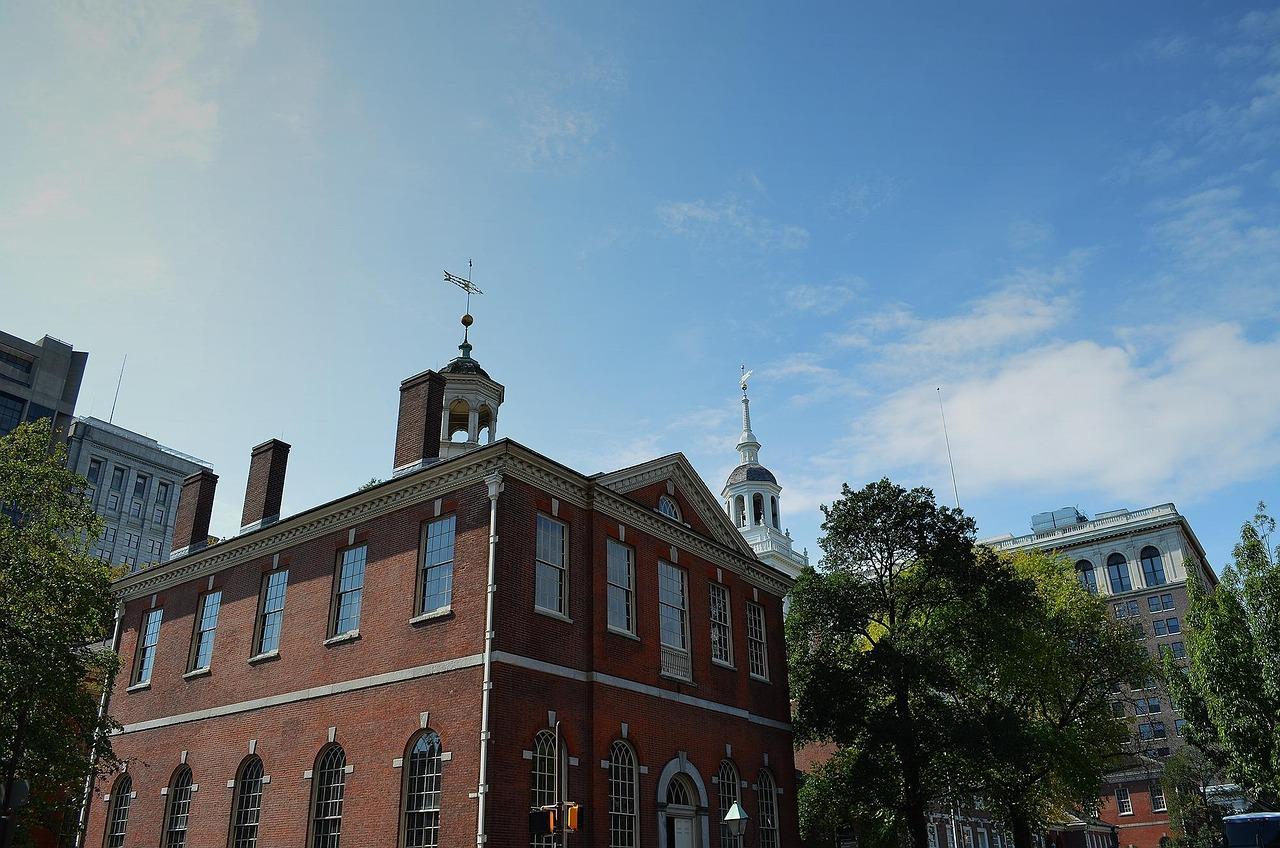
Philadelphia has more yoga studios than it did five years ago, and the options have multiplied well beyond the basic vinyasa class most people picture when they hear the word. Power yoga, yin, hot yoga, aerial, kundalini, the terminology alone is enough to make a beginner walk out the door. Knowing which style matches your body, schedule, and temperament is the practical question most newcomers never get answered before they sign up for a month-long membership they end up not using.
The timing matters. July heat in Philadelphia, routinely pushing into the low 90s Fahrenheit by afternoon, changes what feels manageable and what feels punishing. Studios across the city are reporting strong summer sign-up numbers as residents look for structured indoor activity that doubles as stress management. The political noise of 2026, a relentless financial news cycle, and general workplace burnout have pushed mindfulness practices closer to mainstream than fringe. Yoga, for many Philadelphians, has become less a fitness trend and more a weekly mental health practice.
Matching the Style to the Person
The differences between yoga styles are not cosmetic. Vinyasa links breath to movement in continuous sequences, good for people who like a cardio component and get bored holding a single pose. Hatha is slower, holding postures longer, which suits beginners or anyone who wants deliberate, meditative movement. Yin yoga targets connective tissue through poses held for three to five minutes; physical therapists often recommend it to runners and cyclists dealing with tight hips and hamstrings. Restorative yoga uses props, bolsters, blankets, blocks, and barely asks the body to work at all; it is, frankly, structured rest, and it is increasingly popular among people managing chronic stress or insomnia.
Hot yoga is its own category. Practiced in rooms heated to around 95-105 degrees Fahrenheit depending on the studio, it demands cardiovascular tolerance and serious hydration. Bikram is the most codified version: 26 postures, 90 minutes, same sequence every class. Power yoga, sometimes called Baptiste yoga after the Philadelphia-connected Baptiste Institute methodology, combines intense sequencing with heat and is not gentle on beginners.
Kundalini is the outlier. It incorporates breathwork, chanting, and meditation alongside physical movement, and it draws a specific kind of student, one more interested in nervous system regulation than calories burned.
Where to Try Each Style in Philadelphia
Philadelphia Yoga Center, located on Chestnut Street in Center City, offers one of the more comprehensive menus in the city, including dedicated yin and restorative classes alongside vinyasa and beginner hatha. Drop-in rates in the city generally run between $22 and $30 per class as of this summer, with monthly unlimited memberships ranging from roughly $99 to $175 depending on the studio.
Fishtown has become a reliable destination for hotter, harder practices. Several studios along Frankford Avenue cater to the neighborhood's younger, more athletically inclined demographic, with early-morning power yoga classes that fill up by Wednesday for the following weekend. Meanwhile, the YMCA branches, including the facilities in West Philadelphia on Walnut Street and in Northern Liberties, offer lower-cost hatha and gentle yoga options starting below $15 per session for members, making structured practice accessible outside the boutique studio market.
The Barnes Foundation on the Benjamin Franklin Parkway has offered yoga programming tied to wellness and arts partnerships in recent years, a crossover that reflects how firmly the practice has embedded itself in Philadelphia's broader cultural calendar.
A 2024 report from the Yoga Alliance, the national credentialing body, put the number of Americans who practice yoga at approximately 36 million, up from 20 million a decade earlier. Spending on yoga-related products and classes topped $16 billion annually. Those numbers have only grown since.
The practical advice is straightforward: start with one free or drop-in class in each style before committing to a package. Most Philadelphia studios offer a first-class discount or a two-week introductory deal. If you leave a class feeling depleted rather than challenged, that style is probably the wrong fit right now. If you leave calmer than you arrived, you have your answer. For anyone with an injury, a chronic condition, or significant physical limitations, a conversation with a Philadelphia-based sports medicine physician or physical therapist before starting any new yoga practice is the sensible first step.