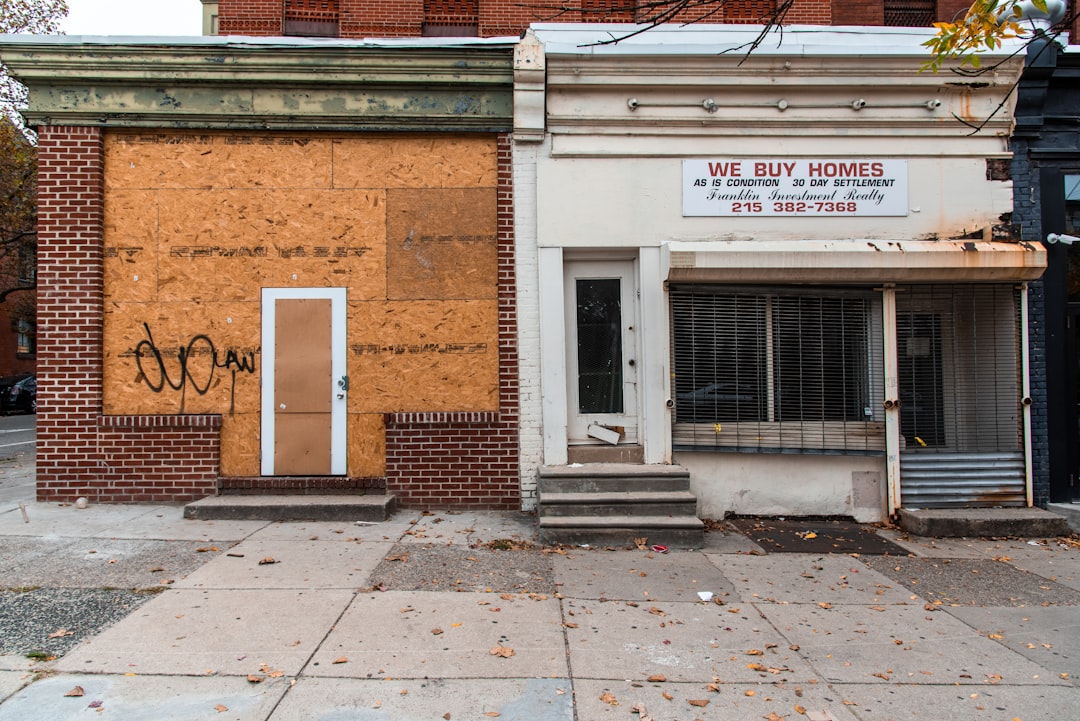
At least a dozen planned ribbon-cuttings across Philadelphia were quietly postponed this week after the region's brutal heat wave—with temperatures cresting 102 degrees on the Fourth of July—forced the cancellation of street festivals, outdoor markets, and the kind of neighborhood foot traffic that can make or break a soft launch. For small business owners who had already sunk savings into a summer opening, the timing was brutal.
The heat is a symptom, not the disease. The harder truth for Philadelphia entrepreneurs in 2026 is that the structural environment for new businesses is the toughest it's been since the pandemic's worst year. Commercial rents along East Passyunk Avenue are up roughly 18 percent compared to 2023, according to figures tracked by the Center City District. Ingredient and supply costs remain stubbornly elevated. And consumer spending in the metro area has softened noticeably since February, when a round of federal workforce reductions hit the region's substantial government-contractor community hard.
The Numbers Behind the Struggle
The Philadelphia Department of Commerce issued 1,847 new business licenses in the first five months of 2026—a 14 percent drop from the same period in 2024. Restaurant and retail categories took the biggest hit. The average build-out cost for a new full-service restaurant in the city now runs between $280,000 and $420,000, according to contractors active in the market, and securing financing has grown significantly harder as regional lenders tighten underwriting standards. First Keystone Community Bank and several other mid-sized Pennsylvania lenders raised their small business loan floors in the first quarter, requiring stronger cash-flow projections than most startups can credibly provide.
On South Street, two storefronts that had been vacant since 2024 were finally leased this spring—one to a natural wine bar, one to a specialty running shop—but both owners have privately told associates they are operating on thinner cushions than they anticipated. The Philadelphia Business Lending Network, a nonprofit that pools capital for underserved entrepreneurs, says demand for its emergency bridge loans jumped 31 percent in the second quarter of this year compared to Q2 2025.
The Callowhill neighborhood tells a similar story. A cluster of creative-economy businesses that moved into former warehouse space along Broad Street's northern stretch between 2021 and 2023 has seen several anchor tenants quietly downsize or sublease portions of their footprints. The Design District, which had been marketed as a destination corridor, is running at roughly 70 percent occupancy heading into the back half of the year.
What Owners Are Doing to Adapt
The businesses that appear to be holding their ground have one thing in common: they cut their fixed-cost exposure early. Several new operators in the Italian Market and in Germantown opted for shared commercial kitchen arrangements rather than full leases, keeping monthly overhead below $4,000 rather than the $9,000-plus a dedicated space commands. The Bok Building in South Philadelphia, which has long operated as a shared commercial hub for small producers and studios, reported a waitlist of 40 prospective tenants as of June—suggesting demand exists, but on very different terms than the pre-pandemic playbook assumed.
The city's Jump Start Philly program, which offers forgivable loans of up to $50,000 for businesses in low-to-moderate income census tracts, has seen a surge in applications but has not expanded its funding pool since 2024. Advocates are pressing the Kenney-era successor administration at City Hall to authorize an additional $3 million for the program before the fiscal year ends on July 31.
For entrepreneurs still committed to opening this summer, the practical math is unforgiving. Business advisors at the SCORE Philadelphia chapter are counseling clients to build at least nine months of operating reserves rather than the traditional six, to negotiate rent abatement periods of no less than three months, and to avoid openings in August entirely—historically the metro area's slowest retail month. The fall, they say, is when Philly tends to snap back. Whether the businesses that survive until October are still in any shape to capitalize on it is the real question hanging over the city's commercial corridors right now.