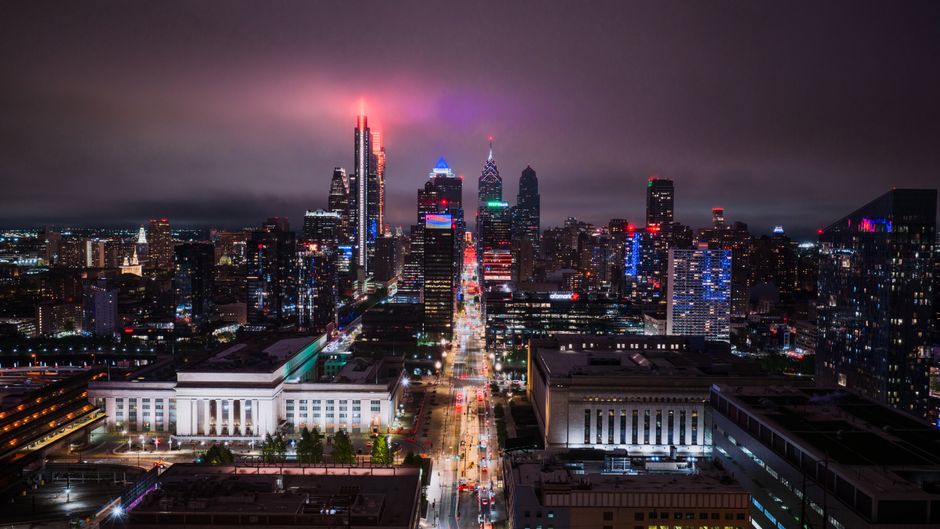
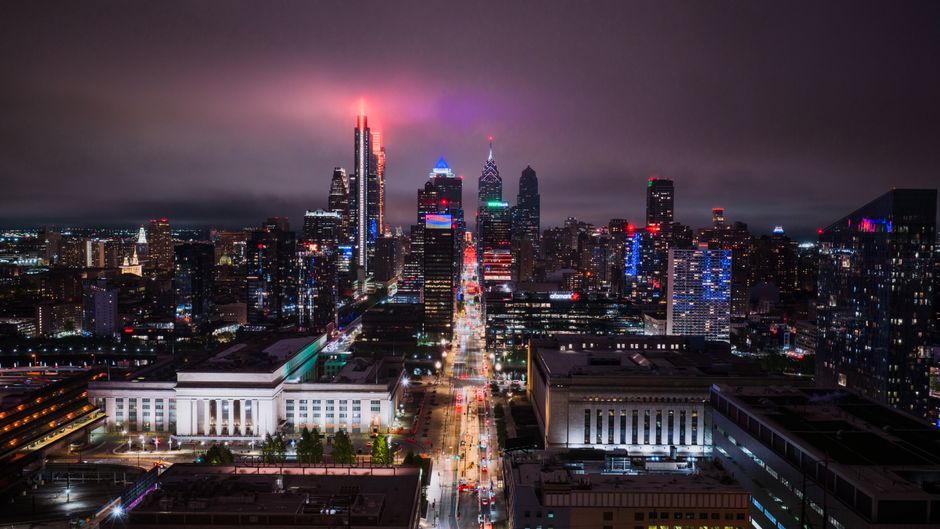
Philadelphia has a duplicate image problem. The city's public mural registry — managed through the Office of Arts, Culture and the Creative Economy and tied to the sprawling catalog maintained by Mural Arts Philadelphia — contains hundreds of redundant photographic entries for the same works, according to city records reviewed this spring. Some murals in Kensington and Fishtown appear listed three or four times under different file names, with conflicting attribution data and mismatched GPS coordinates.
The issue matters more than it might sound. Digital registries for public art have become the backbone of neighborhood tourism apps, historic preservation filings, and grant applications. When the same image appears twice under different metadata, it skews usage counts, inflates reported coverage of certain zip codes, and can cause a mural to be counted twice in federal cultural heritage surveys. Philadelphia applied for a $2.1 million National Endowment for the Arts infrastructure grant in March 2026 — applications that lean heavily on registry integrity as a credibility signal.
What Other Cities Are Doing
Amsterdam began a systematic deduplication sweep of its public art database in 2023, contracting with a local civic-tech firm to run perceptual hash algorithms across roughly 14,000 entries in the city's Beeldbank cultural archive. By early 2025, the city had collapsed more than 3,200 redundant records and published a reconciled, open-access dataset. Seoul launched a similar initiative through its Culture Content Agency in late 2024, targeting the city's 8,000-piece outdoor installation catalog ahead of its 2025 heritage tourism push. Both cities worked from a clear legal framework giving a single agency authority to delete or merge records without additional committee review.
Philadelphia's structure is more fragmented. Mural Arts Philadelphia, which has produced more than 4,000 murals since its founding in 1984, maintains its own photographic archive. The city's Department of Records holds a separate tranche of images tied to permits. The Philadelphia City Planning Commission references yet another layer of geospatial data. None of these three systems talk to each other automatically, and no single office has been given explicit authority to decommission duplicate entries across all three. A City Council resolution introduced in April 2026 by a member from the 5th District would designate Mural Arts Philadelphia as the lead coordinating body — but as of July 4, the resolution had not come to a floor vote.
The Local Backlog
The duplication problem is most visible in two corridors. Along Germantown Avenue between Erie Avenue and Chelten Avenue, at least 11 murals have multiple conflicting registry entries, based on a cross-reference of permit records and the Mural Arts public map. In South Philadelphia, the area around Broad Street and Tasker Street shows similar clustering, with some works photographed by different city contractors at different times appearing as entirely separate pieces in the database.
Mural Arts Philadelphia has acknowledged the issue publicly in budget presentations to City Council, noting the problem grew significantly during 2019 through 2021 when photographic documentation was contracted out to multiple vendors simultaneously. The organization's annual report for fiscal year 2025 listed database reconciliation as a priority item but did not attach a completion timeline or dedicated funding line.
By comparison, Chicago's Department of Cultural Affairs and Special Events completed a similar reconciliation of its public art inventory in 2022, reducing roughly 900 duplicate entries using a combination of automated image-matching software and volunteer review sessions held at the Harold Washington Library Center. The Chicago effort cost an estimated $180,000 and took 14 months.
Philadelphia residents and neighborhood groups who rely on Mural Arts walking tour data — particularly in Fishtown, where public art has become a driver of foot traffic along Frankford Avenue — have a practical stake in how quickly this gets resolved. Inaccurate registries mean incorrect maps, broken QR codes linked to the wrong images, and attribution errors that frustrate artists and community organizations alike. The April council resolution, if passed, would give Mural Arts Philadelphia 18 months to complete the deduplication work and publish a unified open dataset. If it stalls in committee past the summer recess, the timeline slips to at minimum late 2027 — well behind where Amsterdam and Seoul already sit.