Property
Merion Station: A Blue-Chip Suburb That Still Offers Value on Philly’s Main Line
Rising prices and luxury listings dominate the Main Line, but Merion Station holds steady as a haven for value-seeking buyers.
3 min read
Property
Rising prices and luxury listings dominate the Main Line, but Merion Station holds steady as a haven for value-seeking buyers.
3 min read
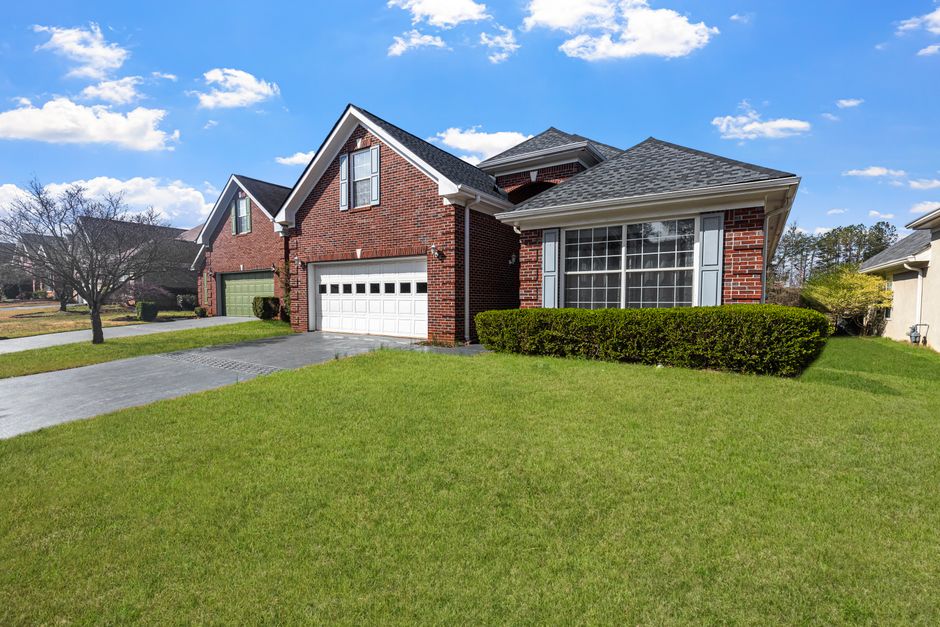
In a year when median sale prices along Philadelphia’s prestigious Main Line have jumped by more than 8%, Merion Station remains an outlier—a blue-chip suburb where value is still within reach for determined buyers.
Homes along the stretch connecting City Avenue to Montgomery Avenue have long been among the region’s most coveted. But July’s relentless heat, which pushed the city's thermometer above 101°F and forced the cancellation of Independence Day events on the Parkway, has reignited debates over which suburbs offer true value when climate resilience and accessibility matter most. Merion Station, with its leafy avenues and historic stone homes, is weathering both literal and market heat better than most of its Main Line peers.
The area's walkability, anchored by the Merion train station on the SEPTA Paoli/Thorndale Line, and its immediate proximity to St. Joseph’s University, distinguish it from pricier counterparts such as Gladwyne or Haverford. The Merion Botanical Park offers five shaded acres of respite—a notable point in a summer marked by deadly European heatwaves and heightened anxiety over green space. In addition to good transit links, the top-ranked Merion Elementary School continues to draw families priced out of Lower Merion’s flashiest ZIP codes. Buyers are also taking note of the freshly upgraded Bala Cynwyd Library and the surging membership at the Kaiserman JCC, which has expanded its cooling center hours in response to extreme temperatures.
According to Bright MLS data released June 28, the median sale price for a single-family home in Merion Station sits at $735,000—well below neighboring Suburban Square in Ardmore ($902,500) or tony Bryn Mawr ($1.04 million). Inventory is tight, but local agents report a spike in listings under $800,000 since May. "We saw seven days on market, compared to 18 in Villanova," noted one agent working Lancaster Avenue’s corridor, adding that bidding wars below the $1 million mark remain the exception, not the rule. Even with the Philadelphia region’s median home price climbing to a record $385,000 this June (Philadelphia Realty Association), Merion Station still hits the elusive trifecta: reputation, infrastructure, and relative affordability.
Condo buyers haven’t been left out. Parc Rittenhouse—a converted Art Deco building—recently listed a two-bedroom for $520,000, drawing Millennial buyers transitioning from Center City’s rental market. Key amenities such as walk-to train, public parks, and high-speed fiber are now non-negotiables, especially as extreme weather disrupts regional commutes and lifestyles.
With interest rates holding near 6% for 30-year mortgages and competition fierce for green, connected neighborhoods, area mortgage brokers recommend acting fast—but not skipping due diligence. Merion Station’s stable values and enduring appeal mean homes don’t linger, but buyers willing to move slightly south (toward Old Lancaster Road or Bala Avenue) are more likely to find listings closer to last year’s prices. With new investments in local infrastructure—such as the planned SEPTA platform upgrades at Merion by autumn and an expanded sidewalk renewal program—real estate professionals predict Merion Station will remain a Main Line standout well into 2027. For buyers and investors alike, opportunity is still knocking just west of City Line Avenue.
Property
Property

Property

Property
About this article
Published by The Daily Philadelphia
Spread the word
Daily brief
Free, in your inbox before 7am. Weekdays.
The Daily Network — local news across Australia