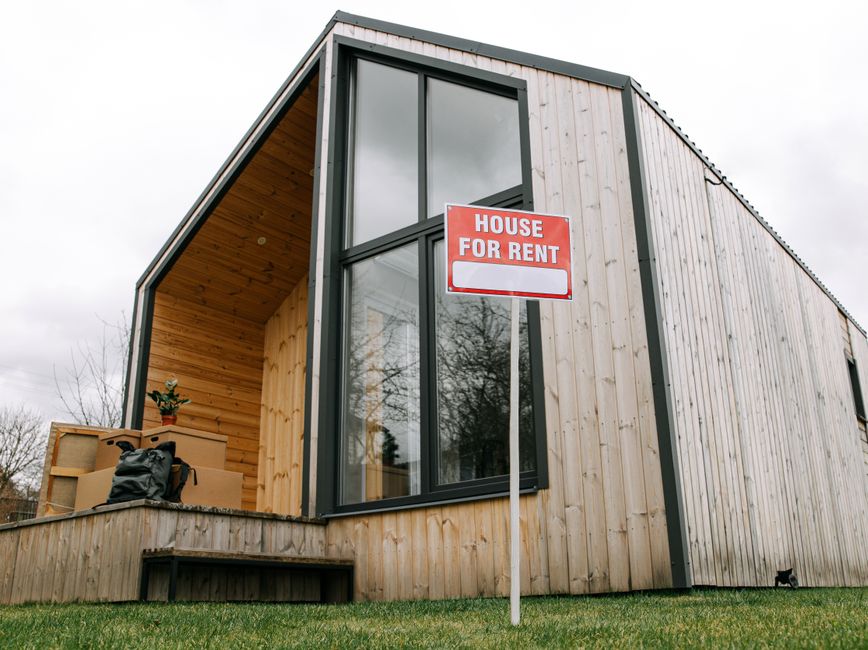
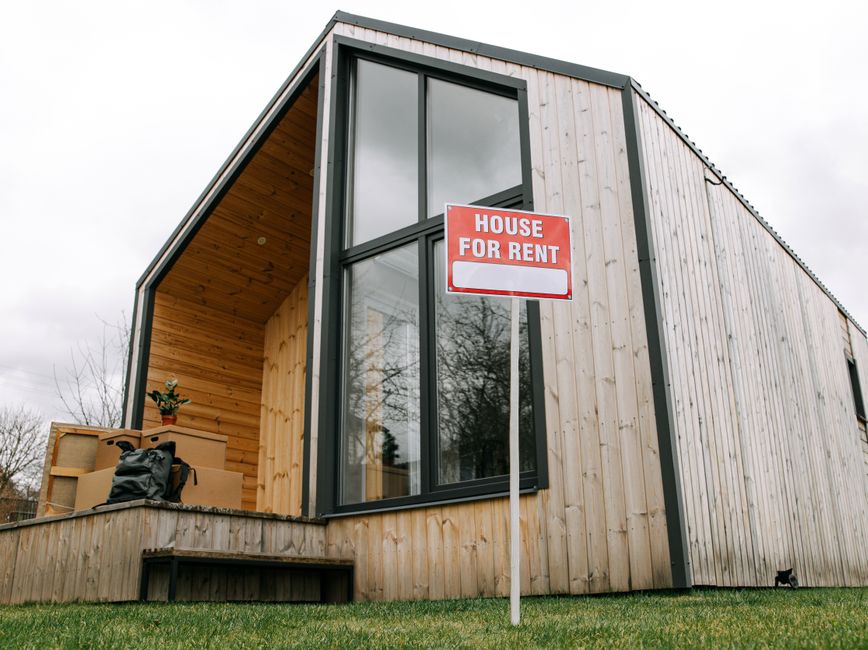
The average Philadelphia renter now spends 34% of their income on housing, breaching the old financial wisdom that no more than 30% should go to rent. As inflation and a tight rental market hit Center City, Fishtown, and beyond, thousands across the city are facing difficult choices about housing costs and their household budgets.
The 30% Rule Under Strain
For decades, the 30% rule has served as a beacon for financial planners and renters alike: spend less than a third of your gross pay on shelter, and the rest of your budget will be easier to manage. But this rule increasingly feels out of reach for Philadelphians earning less than the city’s median. The issue has become particularly acute over the past year as rent growth outpaces wages and the city’s supply of affordable housing remains stubbornly low.
"People are making very tough trade-offs," said Sarah Conway, director of operations at the Philadelphia Tenants Union. Renters are eyeing one-bedrooms in South Philadelphia at $1,375 a month and studios in University City topping $1,600, often while managing student debt or unstable gig work. In Graduate Hospital, the median rent for a two-bedroom apartment hit $2,100 in June, according to Zillow’s latest data. Meanwhile, the city's Homestead Exemption program mainly benefits homeowners, leaving many renters dependent on catch-all local support like the Philadelphia Housing Development Corporation’s (PHDC) Emergency Rental Assistance fund, which received more than 19,000 new applications just this spring.
Where the Numbers Land
The crunch is easy to spot in the data. According to PHDC, in 2025 the typical Philly renter’s household income was $48,900, while median monthly rents surpassed $1,400 citywide for the first time this spring. That math pushes many renters well past the 30% threshold. Neighborhoods like Kensington and West Philadelphia, once reliably affordable, also saw monthly median rents jump by 7.5% since January.
The consequence for those breaking the 30% rule can be stark: less left over for groceries, transit, healthcare, and savings. “Once you’re at 35 or even 40 percent, everything becomes insecure,” explained one local housing advocate. Some renters have little choice but to double up with roommates or stay in smaller units far longer than planned. Landlords, too, are facing increased costs—insurance premiums, maintenance, and taxes—all of which are driving rent prices upward even as the city’s minimum wage remains at $8.50 an hour.
Looking Ahead: Choices for Renters
What’s next for Philadelphia renters trying to stick to, or even approximate, the 30% rule? Nonprofits like Clarifi and city agencies are encouraging tenants to carefully budget for housing and avoid overcommitting on new lease renewals if possible. For those struggling, PHDC’s Rental Assistance remains open to new applicants, and a July expansion of the city’s Utility Grant program—now including low-income renters on Aramingo Avenue and North Broad—offers some relief for supplemental costs.
For now, experts recommend doing the math before signing a new lease: take your gross monthly income, multiply by 0.3, and see if market rents in desired neighborhoods are realistic. With citywide rents projected to keep climbing through 2026, many Philadelphians may need to consider trade-offs—choosing between proximity to jobs in Old City or savings from a longer commute from Northeast Philadelphia. The 30% rule may be old, but in today’s market, it’s more an ideal than an attainable standard for many of the city’s renters.