Property
The Rent-Vesting Strategy Explained for This Market
As Philly rents surge and buyers face 7% mortgages, some residents are investing elsewhere while renting locally. Here’s how rent-vesting works for Philadelphians.
3 min read
Property
As Philly rents surge and buyers face 7% mortgages, some residents are investing elsewhere while renting locally. Here’s how rent-vesting works for Philadelphians.
3 min read
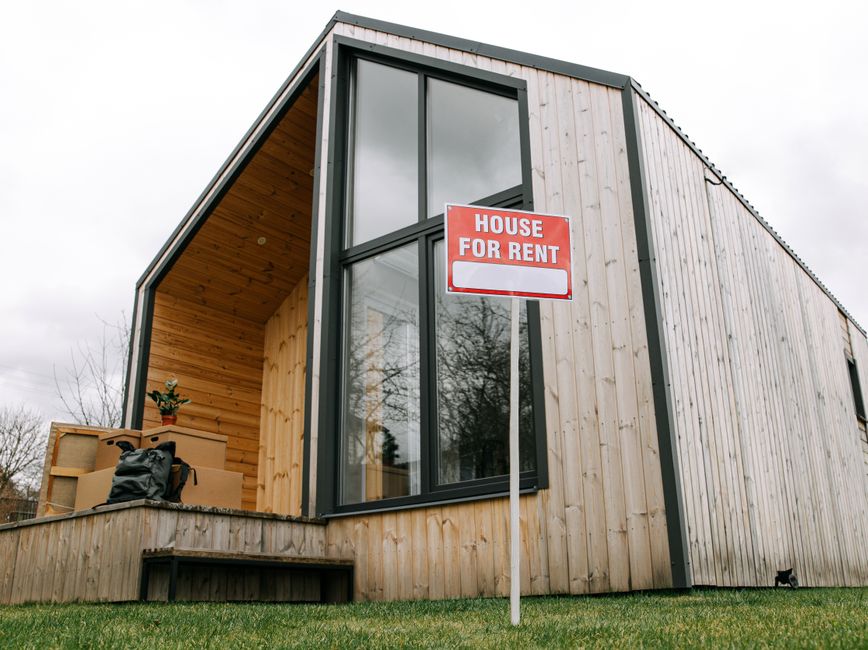
Rising rents along Walnut Street and home prices near Fairmount Avenue have priced many Philadelphians out of both buying and renting—but a growing number of residents are turning to 'rent-vesting' to tackle the affordability crisis head-on.
The city’s rental market is straining under the weight of sweltering summer demand—underscored by this week’s Fourth of July heatwave that kept people inside and glued to apartment list sites. With average rents crossing $1,900 for a one-bedroom by Rittenhouse Square and the median sale price for a Philadelphia rowhome topping $287,500, some locals are realizing traditional first-time homebuying dreams just don’t add up. This is where rent-vesting—renting where you want to live, buying where you can afford—comes into play.
Philly’s real estate agents say inquiries about this approach have increased sharply since the Federal Reserve signaled another year at near-7% mortgage rates. According to the Greater Philadelphia Association of Realtors (GPAR), first-time buyers are often now investors before they’re ever owner-occupiers. Many are purchasing rowhomes in up-and-coming areas like Brewerytown or investment condos in Port Richmond, while continuing to rent apartments in Logan Square or Washington Square West to maintain lifestyle and commute comfort.
The rent-vesting strategy leans heavily on math. For example, a two-bedroom near the Delaware waterfront rents for almost $2,500 a month. Meanwhile, entry-level condos in neighborhoods like Elmwood or the Northeast are listing around $175,000—a price point far more reachable with a modest down payment. These purchases can often be cashflow-positive: Data from Zillow puts the average monthly rent for a two-bedroom in Philly at $1,948 as of June 2026. Even accounting for mortgage, taxes, and maintenance, landlords in certain zip codes can clear $200-300 monthly after expenses.
At the same time, the Philadelphia Housing Development Corporation has reported a 23% rise in applications for its First-Time Homebuyer Program since April, with nearly half of accepted applicants using their new homes as rental properties, not primary residences. The appeal is clear: buyers build equity in appreciating zip codes without locking themselves into neighborhoods that don’t suit their jobs or lifestyles.
Still, rent-vesting isn’t a slam dunk. Some Center City buildings—especially along Market East—prohibit owners from renting out units short-term, and landlord responsibilities can range from minor repairs to months-long vacancies. The city’s hot summer has also brought questions about the cost of cooling older investment units with outdated HVAC—a real expense as July highs linger in the 90s.
For renters with stable employment but limited savings, the rent-vesting playbook offers a foothold in Philly’s buoyant property market without sacrificing neighborhood preferences. Financial advisors at Clarifi, a local nonprofit, recommend careful cash flow projections and landlord insurance, especially for those investing in less central areas like Cobbs Creek or Tacony, where rents are rising but tenant turnover can be high.
For now, experts say the strategy works best for those willing to do their homework and avoid emotional attachments to their first property. As Philly’s real estate market pins new heights—and as extreme heat ups rental demand—rent-vesting is likely to move from niche to mainstream for the city’s would-be homeowners in 2026 and beyond.
Property
Property

Property

Property
About this article
Published by The Daily Philadelphia
Spread the word
Daily brief
Free, in your inbox before 7am. Weekdays.
The Daily Network — local news across Australia