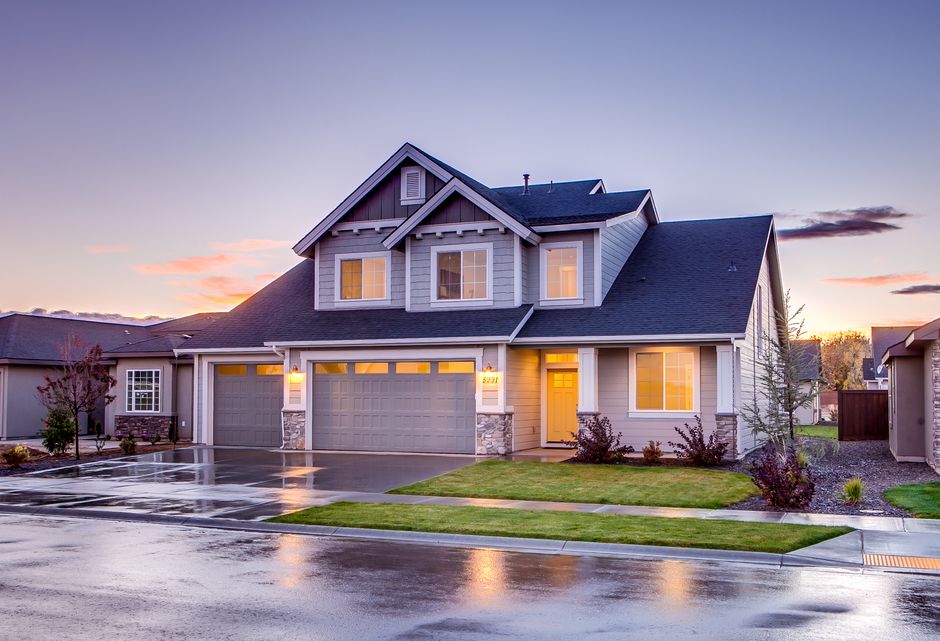
The pattern is becoming impossible to ignore. Philadelphia homeowners who bought rowhouses in Fishtown and East Passyunk a decade ago for under $300,000 are now sitting on properties worth $550,000 to $700,000 — and a growing number of them, kids grown and gone, are selling. The question agents are fielding daily: where do you actually go from here?
The answer, increasingly, is not another city neighborhood. Downsizers — broadly defined as homeowners over 55 trading square footage for equity — are accelerating a shift toward a specific cluster of inner-ring suburbs along the SEPTA Regional Rail corridors. The trend matters because it is reshaping inventory, driving up prices in markets that had been relatively quiet, and creating new competition for younger buyers who saw those suburbs as their own escape valve from Philadelphia's rising costs.
Narberth and Collingswood Lead the Pack
Two towns keep surfacing at the top of agents' lists: Narberth, on the Main Line in Montgomery County, and Collingswood, across the Delaware River in Camden County, New Jersey. Both offer something the city increasingly cannot — a walkable commercial strip, a train into Center City within 30 minutes, and single-floor or low-maintenance housing stock at prices that let downsizers pocket meaningful proceeds from their Philadelphia sale.
Narberth's median sale price hit $612,000 in the second quarter of 2026, up roughly 11 percent from the same period last year, according to figures compiled by the Greater Philadelphia Association of Realtors. The borough's North Narberth Avenue corridor, lined with independent restaurants and a year-round farmers market, has drawn consistent comparisons to the kind of neighborhood retail that made Germantown Avenue attractive before prices there pushed past what most retirees could stomach. Collingswood, meanwhile, has seen its Haddon Avenue strip attract a wave of new wine bars and specialty food shops since 2024, and median prices there remain lower — around $385,000 — giving downsizers from higher-priced zip codes room to bank the difference.
The SEPTA Paoli/Thorndale line stops directly in Narberth, and NJ Transit's Atlantic City Line serves Collingswood's Ferry Avenue station, keeping Philadelphia's hospitals, cultural institutions, and airport within easy reach. For downsizers who spent years managing a three-story rowhouse, the appeal of a two-bedroom ranch or a newer condominium within walking distance of daily errands — without a car — is straightforward arithmetic.
What the Data Actually Shows
Nationally, the Urban Land Institute's 2025 Emerging Trends report flagged smaller, transit-adjacent suburbs near legacy cities as among the most resilient residential markets heading into 2026. Philadelphia's version of that dynamic has a local accelerant: the city's 10-year tax abatement program, which shielded many buyers from the full tax burden on new construction, began expiring en masse in 2024 and 2025. Homeowners who bought abatement-protected properties in Northern Liberties and Point Breeze around 2014 and 2015 are now facing significantly higher annual tax bills — sometimes $4,000 to $6,000 more per year — which is pushing the sell-versus-stay calculus firmly toward the exit.
The Philadelphia Housing Development Corporation has acknowledged the displacement pressure the abatement cliff creates, though its programs have focused primarily on renters and lower-income owner-occupants rather than the equity-rich downsizer cohort now flooding the market. That gap leaves the suburb-bound migration largely market-driven, with no formal policy mechanism to direct where those sellers land.
For anyone weighing this move, agents working the Montgomery County and southern New Jersey markets suggest acting before the fall. Narberth's inventory typically tightens between September and November as sellers pull listings rather than negotiate through the holiday season. Buyers who want a condo or smaller single-family home near a Regional Rail stop should expect to compete, particularly for anything priced under $500,000 with a first-floor bedroom. Getting pre-approved and identifying a buyers' agent who works both sides of the river — someone familiar with both Pennsylvania transfer taxes and New Jersey's distinct deed process — will save weeks of delay once the right property appears.