Wellness
Five Evidence-Based Wellness Habits for Surviving Australia's Extreme Weather
From Bondi Beach runs to budget-friendly sleep clinics, here’s what actually works—according to the research and local experts.
4 min read
Wellness
From Bondi Beach runs to budget-friendly sleep clinics, here’s what actually works—according to the research and local experts.
4 min read

Australia just closed its hottest June since the gold rush era, with the Sydney Observatory clocking a monthly average above 18.4°C. With more record-breaking heat projected for the rest of winter and beyond, experts say now is the time to tweak health routines to match local conditions—before fatigue, dehydration or burnout set in.
The rising mercury isn’t just a climate story. It affects the kind of exercise that’s safe outdoors, rates of cardiovascular incidents, mental health, and sleep quality, according to both the Bureau of Meteorology and Sydney’s Sleep Health Foundation. Many Australians want to keep healthy habits in place year-round, but evidence points to the need for adjustments when temperatures smash long-term averages.
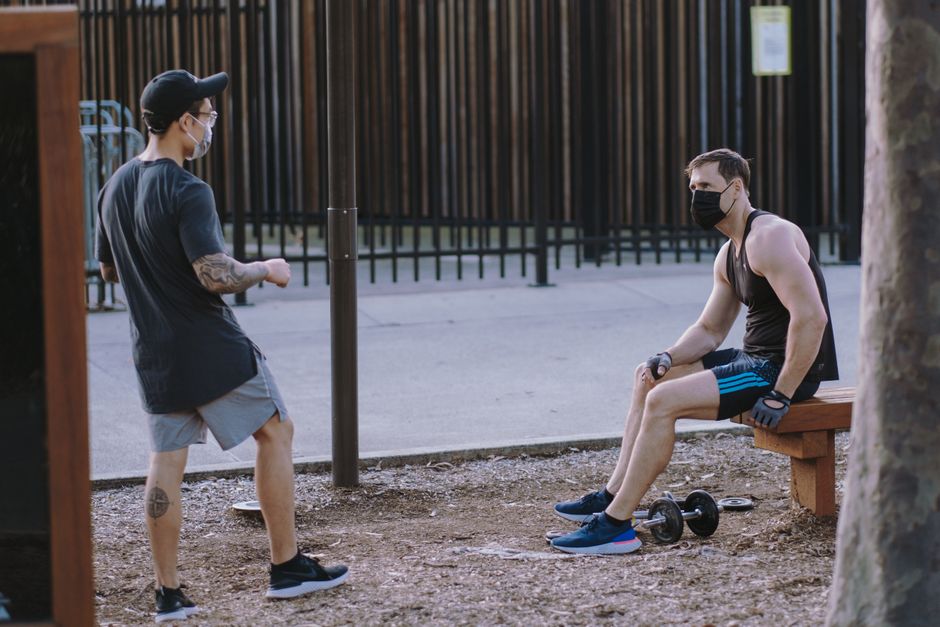
Start early or late: Outdoor workouts remain the foundation of active living for many. Centennial Parklands, stretching from Paddington to Randwick, sees a steady stream of runners at dawn—even in July. Dr. Hayley Franklin, who coordinates Move It Marrickville, a council-backed initiative, says studies show that shifting walks or jogging to early mornings or later evenings more than triples adherence rates in hot spells. Centennial Park gates open at 6am most days, and local group training sessions shift to 7pm slots during heatwaves. The evidence: NSW Office of Sport reports a 34% drop in heat-related incidents for such timing changes in 2025-26.
Hydrate smarter: Surry Hills Community Health suggests Australians, especially children and older adults, boost fluid intake by at least 750ml/day during hot months. A 2025 national nutrition survey found that nearly one in five adults in NSW reported symptoms of dehydration during last January’s extreme heat event. Coaches at Bondi Surf Bathers Life Saving Club distribute electrolyte sachets (starting at $3 per pack from local chemists) for swimmers training through the winter, citing published research that sodium-enriched fluids prevent muscle cramps up to 40% better than water alone in long-duration exercise.
Protect your sleep: Unseasonably warm nights can knock out healthy sleep patterns. The Sleep Health Foundation, based in North Ryde, reports a 29% spike in insomnia hotline calls during last month’s heatwave. Their evidence-based solution: cooling bedding and adjusted evening routines. Goodnight Sleep Store in Newtown now rents out portable evaporative coolers for $7 per night, responding to a spike in demand as overnight minimums rarely drop below 15°C. Healthdirect Australia’s latest guidelines recommend showering before bed and keeping bedrooms below 20°C—backed by a 2024 SleepMed study linking cooler room temps to 25 minutes of extra sleep.
Rethink sun safety: With UV indexes peaking above 8 in many NSW suburbs, local dermatologists urge a return to SPF 50+ even on wintery-seeming days. The Cancer Council’s Bondi Junction clinic reports sunscreen sales up 12% this June compared to 2025. The evidence: CSIRO studies show that over 70% of skin cancer cases are preventable with diligent year-round sun protection.
For mental health, community programs like Redfern’s Mindful Mornings meet three times weekly in Prince Alfred Park, offering guided walking meditation sessions (free for concession holders). These sessions, backed by research from UNSW, demonstrate a direct drop in self-reported anxiety after four weeks of morning practice, even in high temperatures.
The bottom line: Evidence shows that updating wellness routines to match local climate extremes helps prevent illness, supports recovery, and boosts mental resilience. As local heat records continue to tumble, councils, GPs and community groups are stepping up with new resources and clinics. Australians seeking to build a sustainable, healthy lifestyle—whatever the weather—are encouraged to check local council websites for session times and government rebates on cooling equipment, and always ask their GP before making big changes to training or medication.
Wellness
Wellness
Wellness

Wellness
About this article
Published by The Daily Philadelphia
Spread the word
Daily brief
Free, in your inbox before 7am. Weekdays.
The Daily Network — local news across Australia