wellness
Philadelphia's Sleep Crisis: Experts Reveal Top Causes and Solutions
From South Philly noise complaints to late-night screen scrolling, the city's sleep crisis has real roots and, experts say, real fixes.
How we reported this
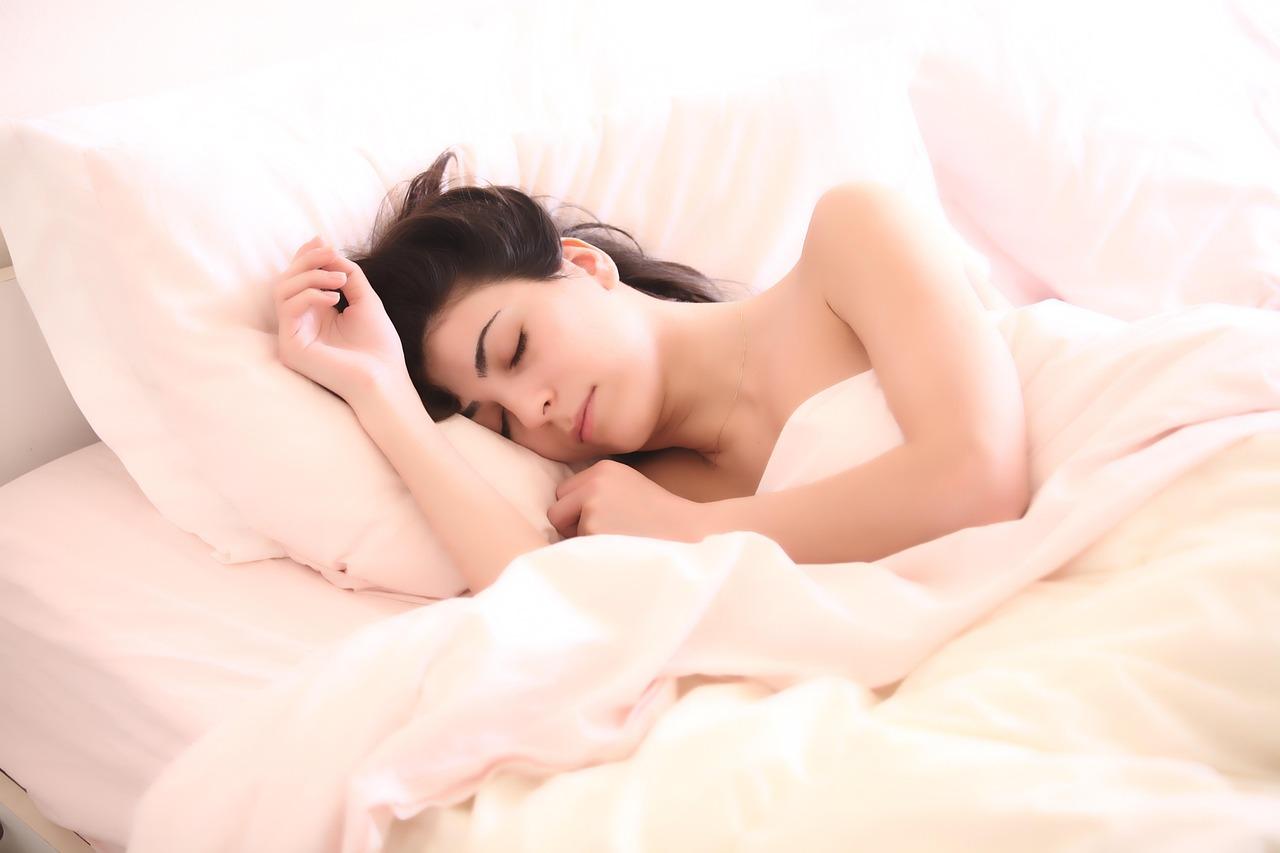
Americans are averaging 6.3 hours of sleep a night, according to the Centers for Disease Control and Prevention, nearly an hour short of the minimum seven hours the agency recommends. In Philadelphia, where summer construction rattles rowhouses from Fishtown to West Passyunk and heat indexes routinely push past 95 degrees by early July, that number looks even grimmer on the ground.
The timing matters. Hormone research published this week underscored how melatonin disruption compounds daytime fatigue, anxiety and metabolic dysfunction, problems that circle back to the exact lifestyle factors most Philadelphians are already fighting: long commutes on SEPTA's Market-Frankford line, inconsistent work schedules, and the kind of low-grade financial stress that doesn't clock out at bedtime. The city's sleep deficit is not incidental. It is structural.
What's Actually Breaking Your Sleep
Three culprits keep coming up. Light is the first. Philadelphia ranked in the top 20 percent of U.S. cities for artificial light pollution in a 2024 University of Pennsylvania environmental health study, and the glow off I-95 and the Delaware waterfront pours straight into bedroom windows across Port Richmond and Queen Village. Sleep specialists routinely point to blue-light exposure from phones after 9 p.m. as the fastest way to suppress melatonin production, the very hormone that tells the brain night has arrived.
Noise is the second. The city's 311 system logged more than 14,000 noise complaints in the first half of 2025, a 22 percent jump from the same period in 2023, driven largely by construction activity tied to the Broad Street corridor redevelopment and Center City infrastructure work. Chronic nighttime noise raises cortisol, fragments sleep architecture and reduces time spent in deep, restorative REM cycles.
The third culprit is schedule chaos. The gig economy runs deep in Philadelphia: roughly 31 percent of workers in the city hold some form of nontraditional or shift-based employment, according to the Philadelphia Workforce Development Corporation's 2025 labor report. Rotating shifts are one of the strongest predictors of circadian rhythm disruption known to sleep science.
What the City's Wellness Community Is Doing About It
A handful of Philadelphia organizations are taking the problem seriously. The Jefferson Sleep Disorders Center at Thomas Jefferson University Hospital on Walnut Street runs a cognitive behavioral therapy for insomnia program, CBT-I, that has been shown in peer-reviewed trials to outperform sleep medication for long-term outcomes. An eight-session course runs approximately $320 out-of-pocket, though Jefferson accepts most major insurance plans. Referrals typically come through a primary care physician.
On the community side, the Fairmount Park Conservancy launched a free early-morning outdoor movement series in June 2026 called Dawn Practice, held Tuesdays and Saturdays at the Horticultural Center near Belmont Avenue. Exercise timed to morning light exposure is one of the few behavioral interventions with strong evidence for resetting a disrupted circadian rhythm. Attendance at the June sessions averaged 60 participants per morning.
For people who prefer to start at home, sleep hygiene basics remain stubbornly underused despite being free: keeping the bedroom below 68 degrees Fahrenheit, cutting caffeine after 2 p.m., and setting a consistent wake time, even on weekends, are the three changes CBT-I practitioners push hardest. The weekend sleep-in, common among Philadelphians recovering from long work weeks, is a documented driver of what researchers call social jet lag, a misalignment between the body clock and the social clock that leaves people groggy by Monday regardless of how many hours they logged Saturday.
The practical path forward is unglamorous but clear: anchor your wake time, get outside before 9 a.m., drop the phone an hour before bed, and if the problem has lasted more than three months, ask Jefferson's sleep center or a Penn Medicine primary care clinic in your neighborhood for a formal referral. The city's heat and noise aren't going away this summer. Your sleep doesn't have to suffer for it.