Wellness
The Sleep Environment Checklist for Better Rest
Philadelphia wellness experts say most people are sabotaging their sleep before they even close their eyes — and the fix starts with the room itself.
4 min read
Updated 20 min ago
Wellness
Philadelphia wellness experts say most people are sabotaging their sleep before they even close their eyes — and the fix starts with the room itself.
4 min read
Updated 20 min ago
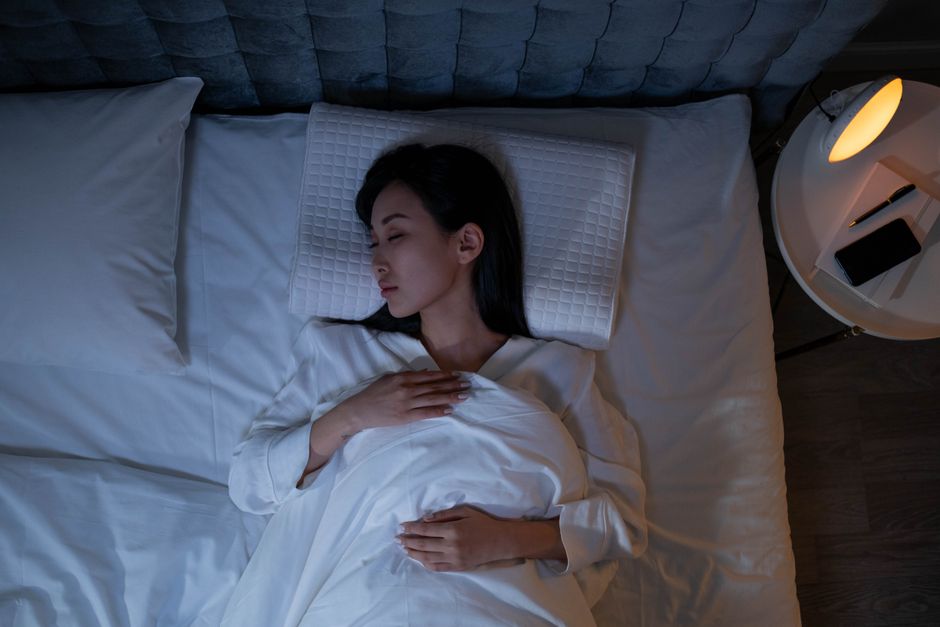
Temperature, light, noise, clutter: your bedroom is either working for you or against you. Sleep specialists across the country now broadly agree that the physical environment where you sleep matters as much as how many hours you spend in bed — and for Philadelphians grinding through humid July nights, getting those conditions right has never felt more urgent.
The timing matters. The CDC reported in its most recent sleep surveillance data that roughly 35 percent of American adults regularly get fewer than seven hours of sleep per night. Philadelphia, with its dense rowhouse stock, thin walls, and a summer concert schedule that has the Dell Music Center in Fairmount Park running shows until 10:30 p.m. through August, presents its own particular obstacles. Urban heat islands push overnight temps in neighborhoods like Kensington and Gray's Ferry several degrees above suburban baselines. A $30 box fan from a hardware store on Girard Avenue is a start. It is rarely enough.
Start with temperature. The Sleep Foundation's guidance holds that a bedroom between 65 and 68 degrees Fahrenheit supports the body's natural drop in core temperature at sleep onset. For renters in older Fairmount or Fishtown apartments without central air, that target is hard to hit cheaply. Blackout curtains — available at the IKEA on Columbus Boulevard in South Philadelphia for around $25 per panel — can cut radiant heat from west-facing windows by a measurable margin before you ever touch a thermostat.
Light is the second variable. Any light source above about 10 lux can suppress melatonin production, according to research published in the Journal of Clinical Endocrinology & Metabolism. That blue glow from a phone charger counts. So does the sodium-orange bleed from Broad Street streetlights that pushes through window gaps in rowhouses from South Philly up through North Broad. Foam weatherstripping — under $10 at any Ace Hardware — can close those gaps and double as a noise buffer.
Noise is where Philadelphians often give up too fast. A white noise machine positioned near the door, not the pillow, diffuses sound intrusion more effectively than earplugs alone. The Thomas Jefferson University Hospital sleep program, based on Walnut Street in Center City, has consistently pointed patients toward consistent background sound rather than silence, noting that abrupt noise spikes — not sustained low-level sound — are what fragment sleep architecture. A simple device from a brand like LectroFan runs about $50 and is sold at several stores on Chestnut Street.
Two things that rarely make it onto mainstream checklists: visual clutter and mattress age. Research from the National Sleep Foundation found that people who make their beds daily report better sleep quality — not because hospital corners have neurological effects, but because a visually organized space reduces low-grade cognitive activation when you lie down. Same principle applies to laundry chairs and stacked boxes.
Mattresses older than seven to ten years lose meaningful support and pressure distribution. Philadelphia's own Mattress Firm locations — including the flagship on Market Street near 15th — report that July and August are their busiest months, partly because people finally notice the problem when they're already sleeping poorly in the heat. Entry-level queen mattresses with adequate support start around $400 on current promotional pricing.
The checklist, assembled: room temperature between 65 and 68 degrees; blackout or heavy curtain coverage on all exterior-facing windows; a white noise source near the door; all screens either removed or facing away; visible clutter reduced to a minimum; and a mattress that hasn't outlived its useful life. None of it is complicated. Almost none of it requires a prescription.
Anyone experiencing persistent sleep problems beyond two to three weeks — difficulty falling asleep, frequent waking, or daytime impairment — should consult a Philadelphia-based primary care physician or a sleep specialist, rather than treating it as purely an environment problem. The environment checklist is a foundation, not a cure.

Wellness
Wellness

Wellness
Wellness
About this article
Published by The Daily Philadelphia
Spread the word
Daily brief
Free, in your inbox before 7am. Weekdays.
The Daily Network — local news across Australia