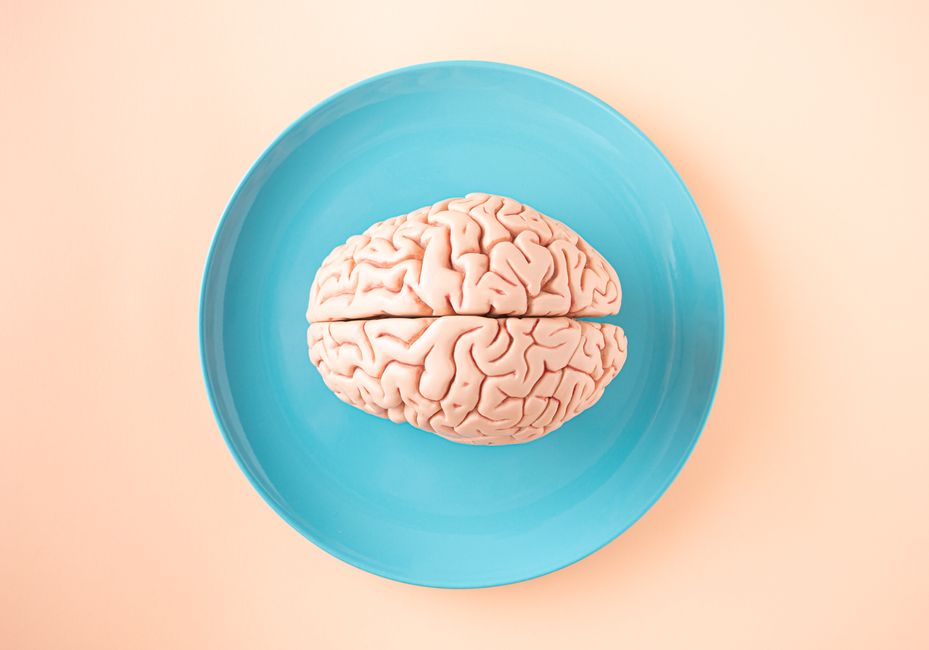
Sit still for eight weeks, 27 minutes a day, and the gray matter in your hippocampus measurably grows. That's not a wellness influencer's claim — it's the finding from a landmark Harvard Medical School study that has quietly become one of the most cited pieces of neuroscience in the mindfulness field. For a city like Philadelphia, where a dense wellness culture runs from Rittenhouse Square yoga studios to community health clinics in North Philly, the research carries real practical weight.
Mindfulness has spent the better part of two decades being sold as a stress-relief tool — a soft, feel-good antidote to modern overwhelm. The science is now forcing a harder conversation. Neuroimaging work published over the past five years consistently shows that sustained meditation practice doesn't just calm the nervous system in the moment; it reorganizes the brain's default mode network, the circuitry most active when we're ruminating, replaying anxieties, or mentally time-traveling to past failures. Shrinking that network's dominance is, researchers argue, one reason long-term meditators report lower rates of depression relapse.
What the Brain Studies Actually Show
The prefrontal cortex — the region governing attention, decision-making, and emotional regulation — thickens with consistent practice. A 2023 meta-analysis in NeuroImage pooled data from 21 structural MRI studies and found statistically significant gray matter increases in the insula and anterior cingulate cortex among participants who completed at least a standard eight-week Mindfulness-Based Stress Reduction (MBSR) program. The insula is the brain's internal body-monitoring hub; a more active insula means better interoception — a sharper ability to notice what stress actually feels like in the body before it compounds.
Cortisol matters here too. A 2021 trial out of Carnegie Mellon University recorded a 14 percent reduction in cortisol reactivity among participants who completed a three-day intensive mindfulness retreat compared to a control group. Chronic cortisol elevation is linked to cardiovascular disease, immune suppression, and cognitive decline — conditions that carry an outsized burden in Philadelphia's lower-income zip codes, where the American Heart Association has flagged cardiovascular disease rates running roughly 20 percent above the national average in neighborhoods like Kensington and Hunting Park.
Philadelphia's Thomas Jefferson University Hospital has been running clinical mindfulness programming through its Marcus Institute of Integrative Health since 2017. The Institute offers an eight-week MBSR course — the same protocol used in most of the landmark brain studies — priced on a sliding scale starting at $195. Jefferson's program is structured around the curriculum developed by Jon Kabat-Zinn at UMass Medical School in 1979, which remains the most rigorously studied format in the field.
Where Philly's Practitioners Are Showing Up
Beyond clinical settings, the Awake Philadelphia collective, operating out of West Philadelphia near 45th and Walnut Streets, has been running free community meditation sits every Thursday evening since 2019. The model matters because access is the recurring problem in wellness research: studies consistently show working-class and minority communities bear the highest stress loads but have the least access to formal mindfulness programming. Awake Philadelphia drew roughly 1,200 unique participants in 2025, according to figures the organization shared publicly last fall.
The Philadelphia Mindfulness Center on Chestnut Street in Center City offers both in-person and hybrid eight-week courses, with corporate-wellness packages now accounting for about 40 percent of its revenue — a shift that reflects how seriously employers in the region are treating stress-related productivity loss. The Center also partners with Jefferson Health on referral pathways for patients managing anxiety disorders, a collaboration that began formally in January 2025.
For anyone considering starting a practice, the evidence points clearly toward consistency over intensity. Ten minutes daily produces measurable cortisol changes within four weeks, according to research published in Psychoneuroendocrinology in 2024; marathon weekend sessions produce far fewer durable changes. Free resources include the Awake Philadelphia Thursday sits, and the Jefferson MBSR waitlist — which runs about three weeks right now — is worth joining early. As always, anyone managing a clinical mental health condition should loop in a Philadelphia-based provider before using mindfulness as a primary treatment tool rather than a complement to existing care.