Wellness
Napping: When It Helps and When It Hurts
Philadelphia's wellness community is divided on the midday snooze — and the science says timing is everything.
4 min read
Wellness
Philadelphia's wellness community is divided on the midday snooze — and the science says timing is everything.
4 min read
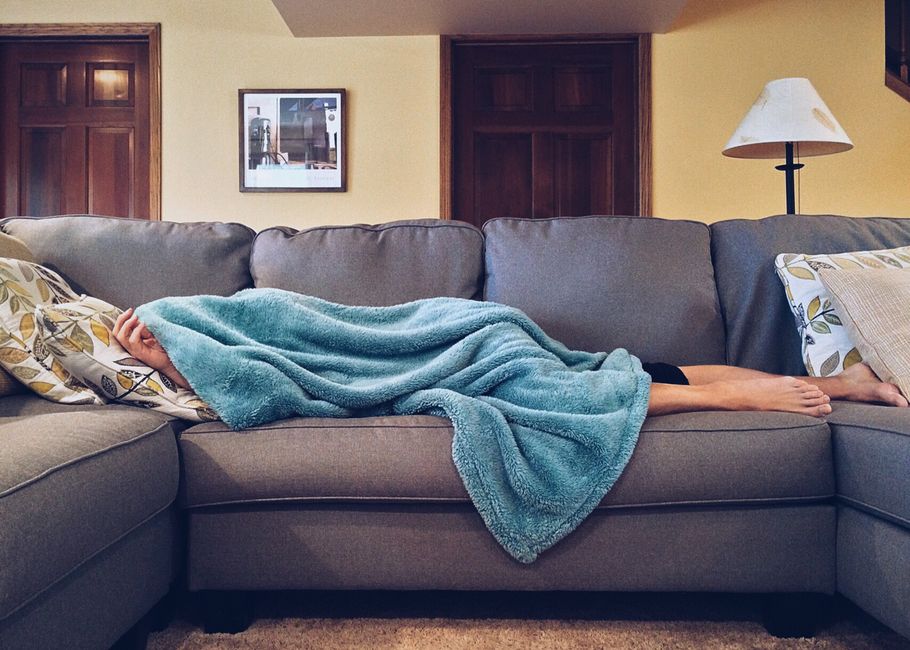
The afternoon crash hits hard in this city. Whether you're grinding through a shift at Jefferson Health on Walnut Street or staring at a screen in a Fishtown co-working space, the 2 p.m. slump is a near-universal fact of Philadelphia life. The question isn't whether to nap — it's whether the nap you're taking is quietly wrecking your nights.
Sleep health has climbed the wellness agenda sharply in 2026, driven partly by growing public conversation around hormones, melatonin use, and how lifestyle choices stack up against chronic fatigue. For Philadelphians juggling long commutes on the Market-Frankford Line, side hustles, and the psychological drag of economic uncertainty, the appeal of a quick lie-down is obvious. But sleep specialists and wellness coaches working across the city are urging residents to treat the nap with more precision than they do their morning coffee order.
A well-timed nap genuinely works. NASA research from the 1990s — still widely cited in sleep medicine — found that a 26-minute nap improved pilot performance by 34 percent and alertness by 100 percent. More recent data from the American Academy of Sleep Medicine, updated in its 2024 clinical practice guidelines, confirms that short naps of 10 to 20 minutes can sharpen reaction time, lift mood, and reduce the cortisol burden of a stressful workday without meaningfully disrupting nighttime sleep architecture.
The operative word is short. Cross the 30-minute threshold and you slide into slow-wave sleep — the deep, restorative kind your body saves for after midnight. Waking from that stage produces what researchers call sleep inertia: grogginess that can last 30 to 60 minutes and leave you feeling worse than before you lay down. Philadelphia residents who work split schedules or variable shifts at places like Temple University Hospital in North Philadelphia are particularly vulnerable to this trap, catching long naps in the early evening and then lying awake until 1 a.m. wondering why.
The second variable is the clock. Napping after 3 p.m. for most adults starts to eat into the sleep pressure — the biological drive toward nighttime rest — that accumulates across the day. Wellness practitioners at the Rittenhouse-based studio Re:Mind, which offers guided rest sessions alongside breathwork classes, have begun advising members to treat their nap window like a prescription: noon to 2:30 p.m., maximum 20 minutes, non-negotiable cutoff. It sounds rigid, but the feedback from regular attendees suggests it dramatically reduces complaints of middle-of-the-night wakefulness.
The people most likely to be hurt by napping are those who think they need it most: chronic poor sleepers. If you're already struggling to consolidate seven to eight hours at night, a daytime nap can become a crutch that perpetuates the cycle. Sleep restriction therapy — a core component of Cognitive Behavioral Therapy for Insomnia, known as CBT-I — actually prohibits daytime napping specifically because keeping sleep pressure high is what drives the brain to sleep more efficiently overnight.
The Penn Sleep Center at the University of Pennsylvania's Perelman School of Medicine on Convention Avenue in West Philadelphia is one of the region's leading CBT-I providers and has seen demand for its programs grow roughly 20 percent since 2023, according to publicly available department reports. The center's clinical protocols explicitly flag habitual napping as a behavioral factor to assess at intake — right alongside alcohol use and screen time before bed.
There's also an equity dimension here. Not everyone has the luxury of a 20-minute nap at noon. For workers in South Philadelphia's service industry or warehouse employees along the I-95 corridor, the option simply doesn't exist. The wellness conversation around napping risks becoming another piece of advice that lands differently depending on your zip code.
If you can nap, the practical playbook looks like this: set an alarm for 20 minutes, lie down before 2:30 p.m., keep the room cool and dark, and consider a small amount of caffeine immediately before — counterintuitive, but the 20-minute lag before caffeine kicks in means you wake up to a double boost. If you can't sleep well at night and napping seems to make things worse, a consultation with your primary care physician or a sleep specialist is the right next step before experimenting further. The Penn Sleep Center accepts most major insurance plans and offers telehealth appointments. For a city that runs hard, learning to rest smarter is worth the effort.
This article was compiled by AI and screened before publishing. See our editorial standards.
About this article
Published by The Daily Philadelphia
Spread the word
Daily brief
Free, in your inbox before 7am. Weekdays.
The Daily Network — local news across Australia