Wellness
A Beginner's Guide to Starting a Meditation Practice in Philadelphia
You don't need a cushion, a guru, or an app subscription — just five minutes and a willingness to sit still.
4 min read
Wellness
You don't need a cushion, a guru, or an app subscription — just five minutes and a willingness to sit still.
4 min read
More Philadelphians are sitting down to do nothing on purpose. Enrollment in beginner meditation programs across the city jumped roughly 34 percent between 2023 and 2025, according to data compiled by the Mindfulness Center at Jefferson Health, which runs an eight-week Mindfulness-Based Stress Reduction course out of its Center City campus on Walnut Street. That number tracks a national pattern, but Philadelphia's version has a distinctly neighborhood-by-neighborhood texture — yoga studios in Fishtown, Buddhist centers in West Philadelphia, breath-work circles meeting in Fairmount Park.
The timing is not accidental. Researchers at the University of Pennsylvania's Perelman School of Medicine published findings in March 2026 showing that adults who practiced as little as 10 minutes of focused attention meditation daily for eight weeks reported measurable reductions in self-reported anxiety scores. The study enrolled 312 participants drawn from Philadelphia zip codes with above-average emergency room visits for stress-related complaints. That's the clinical backdrop. The street-level reality is simpler: people are burned out, housing costs are squeezing household budgets, and the workday doesn't stop when the laptop closes.
The Philadelphia Shambhala Center on South 46th Street in West Philadelphia offers a free introductory meditation evening on the first Thursday of each month. No prior experience required, no particular belief system assumed. The room holds about 30 people, and the July 3 session drew a waiting list, according to the center's public calendar. Across the Schuylkill, the Insight Meditation Community of Philadelphia — which meets at the William Penn Charter School in East Falls on alternating Saturdays — runs dana-based classes, meaning participants pay what they can afford, including nothing.
For those who want more structure, Jefferson Health's MBSR program costs $395 for the full eight-week course, a price that has held steady since 2024. Some Independence Blue Cross plans cover a portion of that through their wellness reimbursement benefit, so it's worth a phone call to member services before registering. Several Fishtown yoga studios, including Dhyana Yoga on Frankford Avenue, have folded standalone meditation classes into their existing memberships, typically priced between $80 and $120 a month for unlimited access.
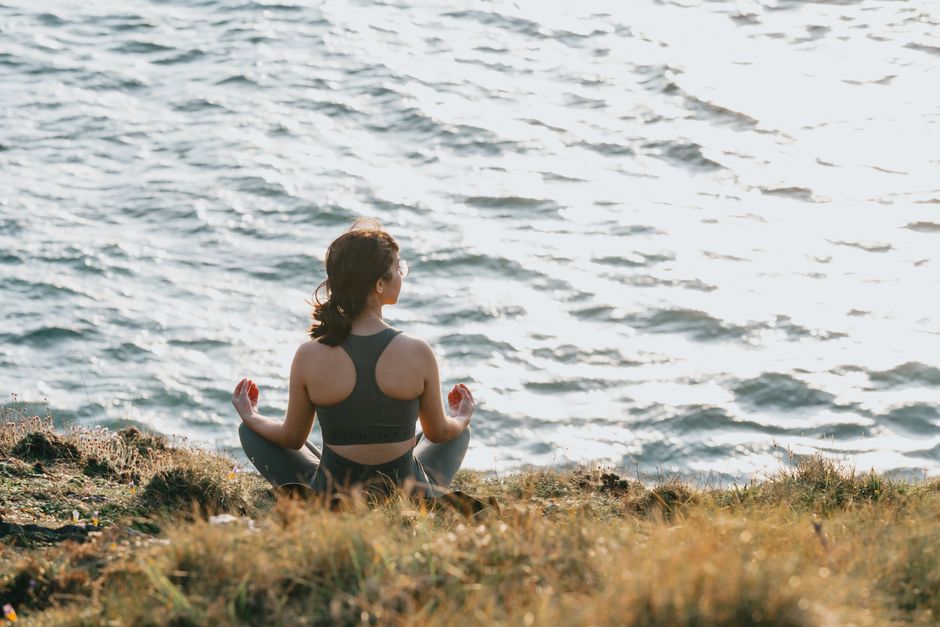
The mechanics of starting are less complicated than most beginners expect. Sit in a chair or on the floor — posture matters less than consistency. Set a timer for five minutes. Focus on the physical sensation of breathing: the air entering the nostrils, the chest or belly rising, the exhale. When the mind wanders, which it will within about eight seconds for most beginners, notice that it wandered and return to the breath. That's the practice. The noticing is not a failure; the noticing is the whole point.
Philadelphia has a particular challenge for new meditators: it is loud. The El rattles through Kensington and Frankford. SEPTA buses idle on Market Street. Neighbors argue through thin rowhouse walls. Teachers at the Shambhala Center routinely tell newcomers to treat ambient city noise as part of the practice rather than an obstacle to it — another object of awareness, like the breath, that arises and passes. A pair of foam earplugs costs about $2 at any CVS on Broad Street and can help in the early weeks before that reframe feels natural.
Apps like Insight Timer, which is free at its base level, offer hundreds of guided sessions specifically labeled for beginners, many under 10 minutes. The app logged more than 25 million active users globally as of January 2026. It's a reasonable on-ramp, but local teachers consistently say the same thing: at some point, sitting with other people in a room accelerates the practice in ways that headphones cannot replicate.
Anyone with a serious mental health condition should speak with a physician or licensed therapist before starting an intensive program — MBSR in particular involves extended periods of body-scan meditation that can surface difficult emotions. Jefferson Health's intake process screens for this. For most people, though, the bar to entry is genuinely low. Five minutes, a chair, and July still has 28 days left in it.
About this article
Published by The Daily Philadelphia
Spread the word
Daily brief
Free, in your inbox before 7am. Weekdays.
The Daily Network — local news across Australia