Wellness
Yoga Styles Explained: Which One Suits Your Lifestyle
From sweaty hot rooms in Fishtown to slow restorative sessions in Rittenhouse Square, Philadelphia's yoga scene has never been more varied — or more bewildering.
4 min read
Wellness
From sweaty hot rooms in Fishtown to slow restorative sessions in Rittenhouse Square, Philadelphia's yoga scene has never been more varied — or more bewildering.
4 min read
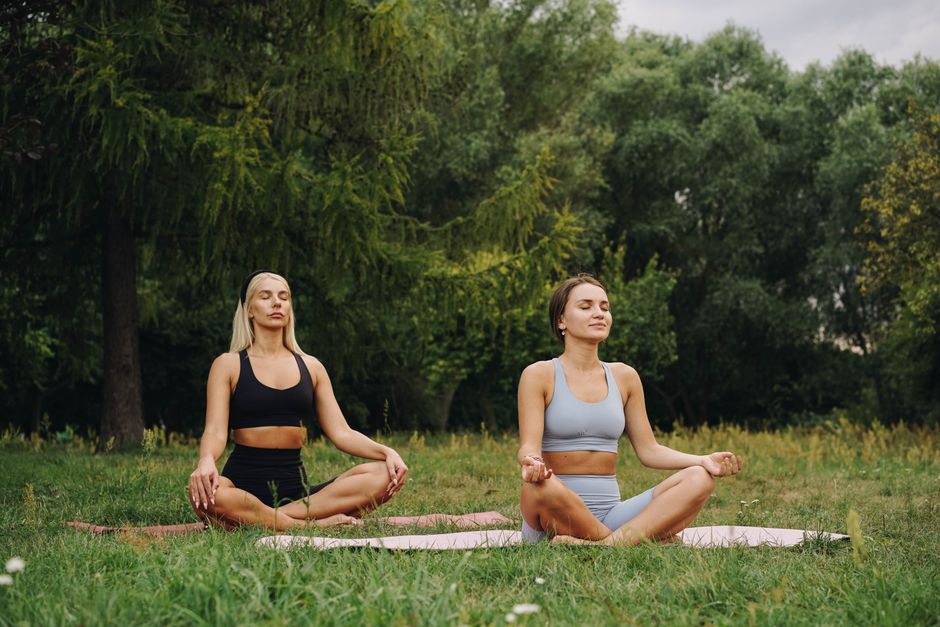
Philadelphia yoga studios logged their highest single-month enrollment numbers on record this past May, according to ClassPass data tracking bookings across the city's roughly 80 registered yoga venues. The surge isn't random. Instructors and studio owners across neighborhoods from Northern Liberties to South Philly describe packed waiting lists and newcomers showing up with a single, consistent question: which style should I actually be doing?
It's a fair thing to wonder. Walk down Passyunk Avenue on any weekday morning and you'll see sandwich boards advertising Vinyasa, Yin, Ashtanga, and Kundalini within three blocks of each other. The terminology can feel like a foreign language to anyone who hasn't spent years on a mat. Decoding the differences isn't just useful — for a lot of people, it's the difference between sticking with a practice and quitting after two sessions.
Vinyasa is probably the most common class you'll find listed at studios like Philadelphia's own Practice Yoga on Fairmount Avenue or the long-established Dhyana Yoga in Old City. The style links breath to movement in sequences that change class to class, so no two sessions are identical. Good for: people who get bored easily, those who already have some baseline fitness, and anyone who wants their yoga to double as a genuine cardio workout. Drop-in rates at most Center City studios run between $22 and $28 per class as of this summer.
Ashtanga is more rigid. It follows a fixed sequence — the Primary Series — that students memorize and repeat. Philadelphia's Ashtanga community has a loyal following concentrated around the Yoga Garden on Arch Street, where Mysore-style self-practice sessions run six mornings a week starting at 6:30 a.m. The discipline suits people who respond well to structure and measurable progression. Be prepared: the full Primary Series takes approximately 90 minutes and demands real upper-body strength.
Hot yoga — practiced in rooms heated to 95–105 degrees Fahrenheit — has colonized several storefronts in Fishtown and East Passyunk since 2022. CorePower Yoga operates two Philadelphia locations, including one at 19th and Chestnut, offering its signature Hot Power Fusion classes. The heat accelerates flexibility gains and produces an intense cardiovascular effect. It is not recommended as a starting point for beginners or anyone managing cardiovascular conditions; consult a physician before enrolling.
Yin yoga holds passive floor poses for three to five minutes each, targeting connective tissue rather than muscle. It pairs exceptionally well with high-stress desk jobs — the demographic that fills Thursday evening classes at Santosha Yoga Institute on Germantown Avenue in Chestnut Hill. Practitioners often describe it as uncomfortable in a useful way: the long holds expose mental restlessness as much as physical tightness.
Restorative yoga takes things further down the intensity scale, using bolsters, blankets, and blocks to support the body in passive shapes for up to 20 minutes at a time. The Kripalu-trained instructors at Philadelphia Mindfulness Center near Logan Square offer restorative sessions specifically designed for chronic pain and post-surgical recovery. Monthly memberships there start at $89, making consistent practice accessible without paying drop-in rates every week.
Kundalini sits in its own category entirely. Equal parts movement, breathwork, chanting, and meditation, it draws on Sikh devotional traditions and can feel jarring to newcomers expecting a standard fitness class. The 3HO Foundation maintains an active Philadelphia chapter that hosts public classes and New Moon gatherings throughout the year, typically at community spaces in West Philadelphia.
The practical question isn't which style is best — it's which style you'll actually show up for. Studios across the city offer single free introductory classes, and most will let you try two or three before committing to a membership. Start there. Pick one class in the next seven days, go once, and pay attention to how you feel at the 10 p.m. hour that night. That data point is more useful than any guide. And if anything feels physically wrong during practice, Philadelphia has no shortage of sports medicine physicians and physical therapists familiar with yoga-related injuries — particularly along the Thomas Jefferson University Health Network.
This article was compiled by AI and screened before publishing. See our editorial standards.

Wellness

Wellness
Wellness
Wellness
About this article
Published by The Daily Philadelphia
Spread the word
Daily brief
Free, in your inbox before 7am. Weekdays.
The Daily Network — local news across Australia