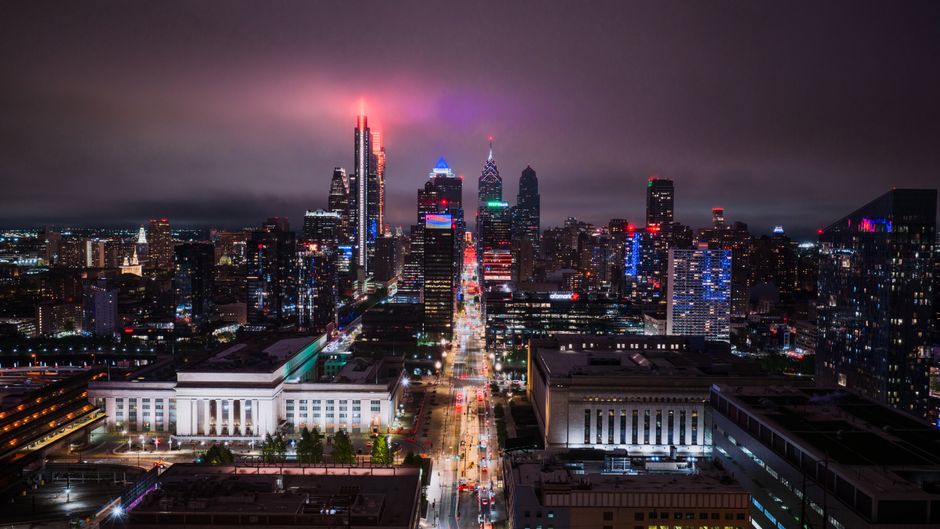
When a North Philadelphia family contacted the City Archives on Spring Garden Street earlier this year to retrieve photographs from a 1987 community redevelopment project in Strawberry Mansion, they were told the digital file contained a duplicate image — a recycled scan from an unrelated Kensington property, uploaded in error and now overwriting the original. The family's documentation was gone. This is not an isolated case.
Across Philadelphia, a pattern of so-called duplicate image replacement — where digital record systems overwrite original scans with repeated or mismatched files — has been quietly damaging public and community archives. The problem has drawn particular urgency this summer as residents filing housing appeals, genealogy requests, and neighborhood planning documentation discover that images they expected to find simply aren't there anymore, replaced by the wrong photograph or a blank placeholder.
Where the Problem Is Hitting Hardest
The issue is surfacing across multiple institutions. The Philadelphia City Planning Commission, which maintains digital records tied to neighborhood redevelopment plans going back to the 1960s, has acknowledged internally that its document management workflow includes a known vulnerability when batch uploads are processed without unique file identifiers. The Free Library of Philadelphia's Print and Picture Collection, housed at the Parkway Central branch on Vine Street, has also fielded complaints from researchers who found duplicate images replacing archival photographs of demolished neighborhoods including Society Hill and the old Dock Street Market.
Community groups are absorbing the fallout. At Congreso de Latinos Unidos, a human services organization operating out of North Fifth Street in the Fairhill neighborhood, staff working on a 2025 oral history project said they encountered duplicate image files when pulling historical photographs from a shared city database to accompany audio testimony. The duplication meant some photographs linked to specific blocks in Hunting Park appeared in folders tagged for completely different zip codes. Volunteers had to cross-reference physical contact sheets to verify what was what — a process that added weeks to the project timeline.
Residents in Germantown have been particularly vocal. The Germantown Historical Society on Germantown Avenue has seen an uptick in calls from community members whose family photographs — submitted to city digitization programs between 2018 and 2022 — cannot now be retrieved in their original form. One digitization initiative, the Philadelphia Digital Equity Archive program run out of the Mayor's Office of Community Empowerment and Opportunity, enrolled more than 3,400 Philadelphia households through 2023. It is unclear how many of those submissions may be affected by duplicate-image errors, and the city has not published a comprehensive audit.
What Residents Say Needs to Happen
Community members and local historians are pushing for several immediate fixes. The most commonly cited need is a mandatory unique-identifier protocol — a basic file-naming standard that prevents any two images from sharing the same system tag regardless of which department uploads them. Several peer cities, including Baltimore and Pittsburgh, have implemented such standards at the municipal level within the last three years.
Advocates are also calling for a public-facing error-reporting portal, something akin to the existing Philadelphia 311 system, where residents can flag suspected duplicate replacements and receive a tracked response. Right now, the process for reporting a missing or overwritten archive image involves contacting individual agencies separately, with no centralized intake.
The City Archives on Spring Garden Street says it is reviewing its batch-upload processes and expects to complete an internal assessment by September 2026. For residents who believe their submitted images may have been affected, the Archives recommends submitting a written request for a file integrity check, referencing the original submission date and the specific record category involved. The Free Library's Print and Picture Collection can be reached directly at the Parkway Central branch for photograph-related inquiries.
The practical advice from community archivists is blunt: keep physical copies of anything you submit to a city digitization program, and request a confirmation receipt that includes a unique file reference number. Once a duplicate overwrites an original in a poorly designed system, recovery is rarely guaranteed.