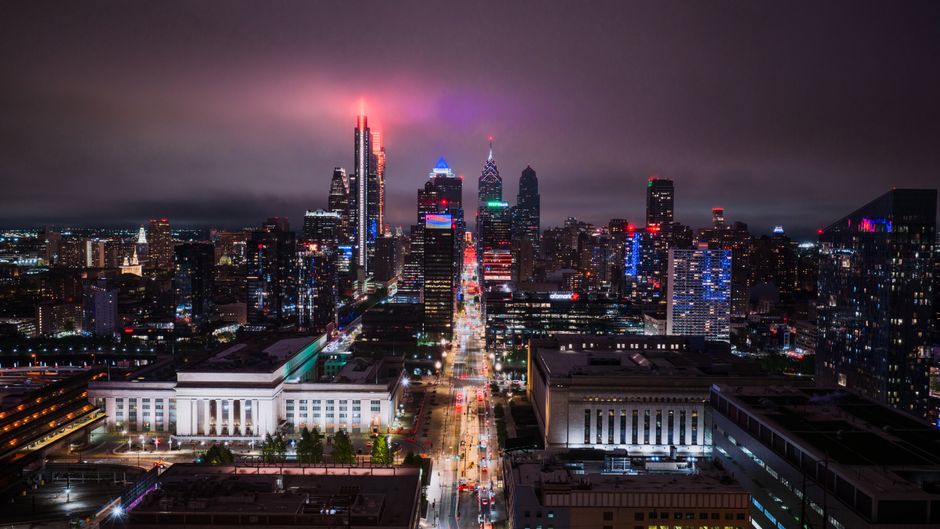
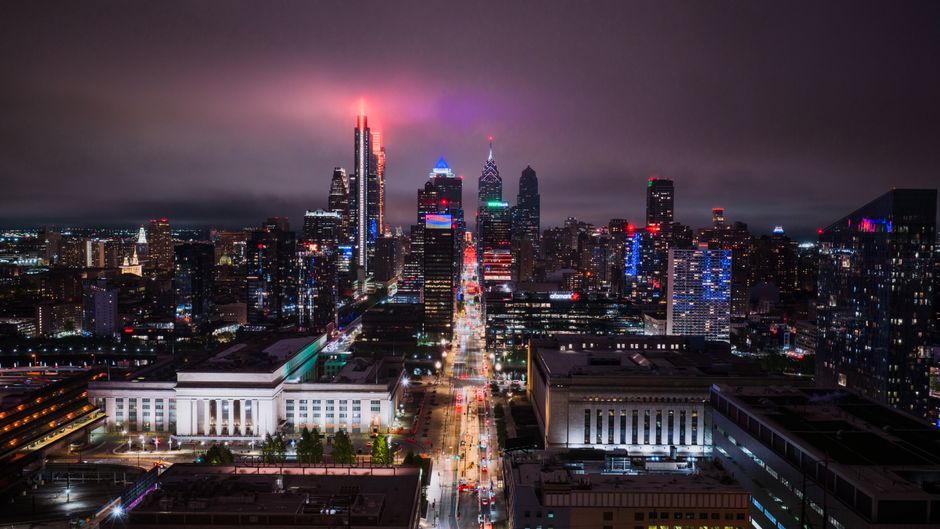
Philadelphia's Office of Innovation and Technology faces a concrete deadline this fall to resolve a growing duplicate-image crisis across city databases, after an internal review flagged thousands of redundant and mislabeled photographs clogging the municipal digital asset management system. The problem is not cosmetic. Duplicates distort permit records, slow emergency response documentation, and compromise the historical archive managed by the Philadelphia City Archives on Broad Street.
The issue surfaced publicly in late spring, when the Department of Licenses and Inspections acknowledged processing delays tied in part to image-filing errors in its permitting workflow. Properties in Kensington and along the Frankford Avenue corridor were among those where inspection photo records contained duplicate or mismatched images—a complication that can stall citations and slow court proceedings. The backlog has grown during a period when L&I was already under pressure to accelerate enforcement in neighborhoods targeted by the city's Kensington Revitalization Initiative.
What the Review Found—and What It Costs
The internal audit, completed in March 2026, identified more than 14,000 duplicate image files across three city platforms: the L&I permitting portal, the Philadelphia Water Department's infrastructure documentation system, and the Parks & Recreation digital catalogue used to track conditions at Fairmount Park facilities. Resolving the problem manually would require an estimated 2,400 staff hours. Contracting the work to a third-party digital asset firm would cost the city somewhere in the range of $180,000 to $240,000, according to procurement estimates circulated within the Office of Innovation and Technology.
The City Archives, housed since 2002 in a facility on Broad Street near City Hall, holds photographic records dating to the 19th century. Archivists there have flagged a separate but related concern: when digitization projects produce duplicate scans, the metadata assigned to images can become tangled, making it impossible to reliably date or locate a photograph of a specific block or building. That matters when the records are used in zoning disputes or historic preservation reviews before the Philadelphia Historical Commission.
The Philadelphia Historical Commission, which evaluates demolition and alteration permits for roughly 10,500 individually designated historic properties across the city, relies on photographic evidence as part of its review process. A duplicated or mislabeled image introduced into a case file can delay a decision by weeks. Given that some property owners in neighborhoods like Fishtown and East Passyunk have waited months for commission rulings, further delays would have real financial consequences.
The Decisions Ahead
City officials must now settle at least four unresolved questions before October 1, the internal target date for clearing the backlog. First, they need to choose between a manual remediation process using existing staff and an automated deduplication tool—several are available through state IT procurement contracts. Second, they must decide which database gets priority: the L&I system, given its direct link to enforcement, is the leading candidate, but the Archives argues its collections carry longer-term public value. Third, the city needs a protocol for handling images where the correct metadata cannot be confidently restored—whether to quarantine, delete, or flag them for human review. Fourth, officials must determine accountability: who inside city government owns the problem going forward and has budget authority to prevent it from recurring.
The Office of Innovation and Technology declined to provide an interview before this story's publication. The City Council's Committee on Technology and Civic Innovation, chaired by a Council member representing the Fifth District, has scheduled a working session for late July to hear from city department heads on the issue. That session will be the first formal public airing of the audit findings.
For residents, the practical stakes are straightforward. Anyone who has filed a construction permit, appealed an L&I violation, or submitted photographs as part of a zoning application since January 2024 should verify that their documentation appears correctly in the city's online portal at licenses.phila.gov. The city's 311 service can flag discrepancies for manual review. Getting ahead of a file error now is considerably easier than trying to reconstruct a photographic record once a case has moved to the Board of Building Standards or into the court system.