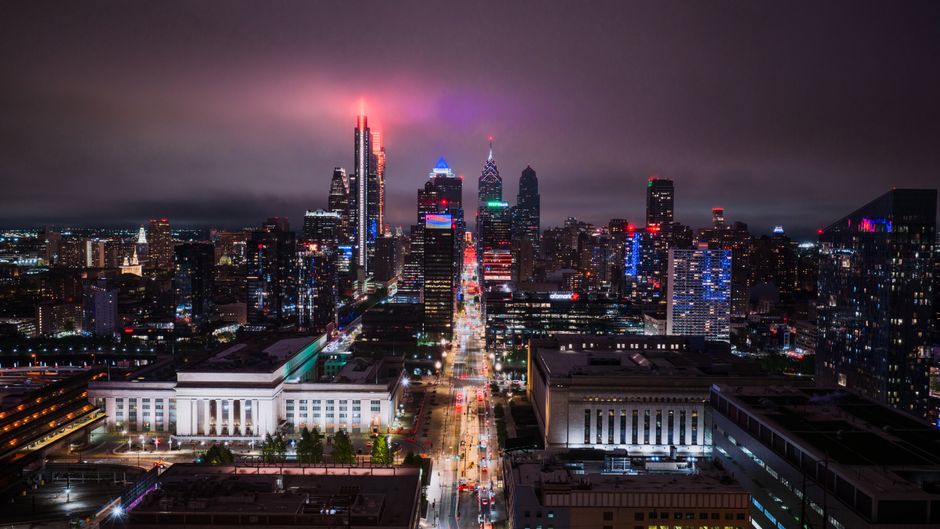
This week, the City of Philadelphia's Department of Records announced a significant increase in duplicate image replacement requests, with over 500 submissions in the past month alone.
The rise in duplicate image replacement requests matters now because it highlights the growing need for efficient data management systems within the city's archives. As Philadelphia continues to grow and develop, the accuracy and reliability of its databases become increasingly important for urban planning, historical preservation, and community engagement. The duplicate image replacement process is crucial in ensuring that the city's records are up-to-date and reflect the ever-changing landscape of its neighborhoods, such as Fishtown and Northern Liberties.
In Philadelphia, the duplicate image replacement process is being implemented through a collaboration between the Department of Records, the Free Library of Philadelphia, and the Philadelphia Museum of Art. Specific programs, such as the Philadelphia Archives Initiative and the Historic Preservation Fund, are working to identify and replace duplicate images in the city's databases. For example, the initiative has already replaced over 200 duplicate images of the iconic Philadelphia City Hall, ensuring that the most accurate and high-quality images are available for public use. Additionally, the program has worked with local organizations, such as the Preservation Alliance for Greater Philadelphia, to identify and preserve historic images of neighborhoods like Society Hill and Queen Village.
According to data from the Department of Records, the duplicate image replacement process has resulted in a 25% reduction in data storage costs over the past year, with an estimated savings of $150,000. Furthermore, the program has improved the overall efficiency of the city's databases, with a 30% decrease in data retrieval time. As of June 2026, the city has replaced over 1,500 duplicate images, with a goal of replacing an additional 2,000 by the end of the year. The Department of Records has also reported a significant increase in public engagement, with over 1,000 residents participating in the duplicate image replacement process through online submissions and community events.
What's Next for Duplicate Image Replacement in Philadelphia
As the duplicate image replacement process continues to evolve, city officials are exploring new technologies and strategies to improve the efficiency and accuracy of the program. One potential solution is the implementation of artificial intelligence-powered image recognition software, which could help identify and replace duplicate images more quickly and effectively. Residents can get involved in the process by submitting their own images of Philadelphia's landmarks and neighborhoods through the city's website or by attending community events, such as the upcoming Philadelphia Archives Initiative meeting at the Free Library of Philadelphia on August 15, 2026. By working together, the city can ensure that its databases are accurate, reliable, and reflective of the diverse and vibrant communities that make up Philadelphia.
In practical terms, the duplicate image replacement process can have a significant impact on the daily lives of Philadelphia residents. For example, accurate and up-to-date images of the city's streets and landmarks can help improve navigation and wayfinding, making it easier for residents and visitors to get around the city. Additionally, the preservation of historic images can help to promote a sense of community and cultural heritage, supporting local businesses and organizations like the Philadelphia History Museum at 15 South 7th Street. By staying informed and engaged, residents can help shape the future of Philadelphia's databases and archives, ensuring that the city's history and culture are preserved for generations to come.